
Views: 220 Author: shelves-racks Publish Time: 2026-01-15 Origin: Site
Content Menu
● Why Choose a PVC Clothes Rack?
>> Customizable
>> Step 1: Measure and Cut the PVC Pipes
>> Step 3: Attach the Vertical Pipes
>> Step 5: Customize Your Rack
● Tips for Using Your PVC Clothes Rack
● Creative Ideas for Your PVC Clothes Rack
>> Outdoor Use
● Maintenance of Your PVC Clothes Rack
Creating a DIY PVC clothes rack is a practical and fun project that can help you organize your space while adding a touch of creativity to your home. This article will guide you through the process of building your own clothes rack using PVC pipes, providing you with step-by-step instructions, tips, and ideas for customization.

PVC (polyvinyl chloride) is a versatile and lightweight material that is easy to work with, making it an excellent choice for DIY projects. Here are some reasons why you might want to consider building a PVC clothes rack:
Building your own clothes rack from PVC pipes is significantly cheaper than purchasing a pre-made one. You can find PVC pipes at your local hardware store at a fraction of the cost of traditional clothing racks.
One of the best aspects of a DIY project is the ability to customize it to fit your specific needs. You can adjust the height, width, and design of your clothes rack to suit your space and style.
PVC is a lightweight material, making your clothes rack easy to move around. This is particularly useful if you need to rearrange your space or take the rack with you when moving.
With just a few tools and materials, you can assemble a PVC clothes rack in no time. The simplicity of the design means that even beginners can successfully complete this project.
Before you start building your PVC clothes rack, gather the following materials:
- PVC pipes (1-inch diameter is recommended)
- PVC pipe connectors (T-joints and elbows)
- PVC pipe cutter or saw
- Measuring tape
- Marker
- Sandpaper (optional)
- Paint or spray paint (optional for customization)
- Fabric or hangers for clothes
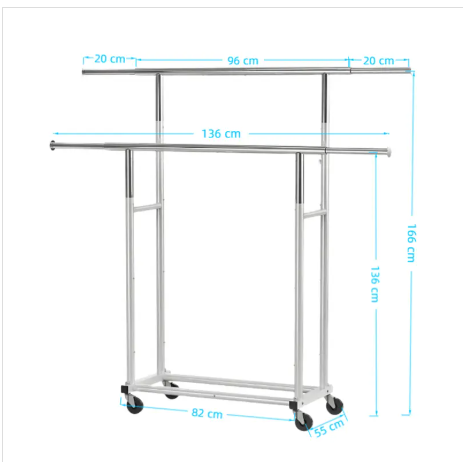
Begin by measuring the space where you plan to place your clothes rack. Consider how much hanging space you need and the height of the items you will be hanging.
1. Determine the height: A standard height for a clothes rack is around 5 to 6 feet.
2. Decide on the width: A width of 3 to 4 feet is usually sufficient for a small to medium-sized rack.
3. Cut the pipes: Using a PVC pipe cutter or saw, cut the pipes according to your measurements. You will need:
- Two vertical pipes for the sides
- One horizontal pipe for the top
- Two horizontal pipes for the base
- Additional pipes for crossbars if desired
Start by assembling the base of your clothes rack.
1. Connect the base pipes: Use T-joints to connect the two horizontal base pipes to the vertical pipes. This will create a stable foundation for your rack.
2. Add support: If you want extra stability, consider adding diagonal support pipes from the base to the vertical pipes.
Once the base is secure, attach the vertical pipes to the T-joints. Ensure that they are straight and secure.
Now it's time to add the top horizontal pipe.
1. Insert the top pipe: Use elbow connectors to attach the top horizontal pipe to the vertical pipes. This will serve as the main hanging area for your clothes.
2. Ensure stability: Make sure everything is tightly connected and stable.
At this point, you can customize your PVC clothes rack to fit your style.
1. Paint the pipes: If you want a more polished look, consider painting the PVC pipes. Use spray paint designed for plastic for the best results.
2. Add fabric: You can drape fabric over the top bar for a more decorative touch or to create a more private space for your clothes.
Once your rack is assembled and customized, it's time to add the finishing touches.
1. Sand any rough edges: If you notice any sharp edges from cutting the pipes, use sandpaper to smooth them out.
2. Add hangers: Use hangers to hang your clothes on the rack. You can also add shelves or bins at the base for additional storage.
- Weight Distribution: Be mindful of how you distribute weight on the rack. Heavier items should be placed on the lower sections to prevent tipping.
- Location: Place your clothes rack in a well-ventilated area to prevent moisture buildup, which can lead to mold or mildew.
- Seasonal Use: Consider using your PVC clothes rack for seasonal clothing storage. It can be a great way to keep your wardrobe organized.
If you have a lot of clothes, consider creating a multi-tiered rack. You can add additional horizontal bars at different heights to maximize hanging space.
Adding shelves to your PVC clothes rack can provide extra storage for shoes, bags, or folded clothes. Use additional PVC pipes and connectors to create a shelf system.
If you have a large space, you can use your PVC clothes rack as a room divider. Hang fabric or curtains from the top bar to create a separate area in your room.
PVC clothes racks can also be used outdoors for drying clothes or hanging towels. Just ensure that the materials are suitable for outdoor use.
To keep your PVC clothes rack in good condition, follow these maintenance tips:
- Regular Cleaning: Wipe down the pipes with a damp cloth to remove dust and dirt.
- Check for Stability: Periodically check the connections to ensure they remain tight and secure.
- Avoid Overloading: Be cautious not to overload the rack, as this can lead to bending or breaking of the PVC pipes.
Building a DIY PVC clothes rack is a rewarding project that can enhance your home organization. With just a few materials and some creativity, you can create a functional and stylish clothes rack that meets your needs. Whether you need extra hanging space or a decorative element for your room, a PVC clothes rack is a versatile solution.
1. What tools do I need to build a PVC clothes rack?
- You will need a PVC pipe cutter or saw, measuring tape, and a marker.
2. Can I use PVC pipes for outdoor clothes racks?
- Yes, PVC pipes can be used outdoors, but ensure they are suitable for outdoor use to prevent damage.
3. How much weight can a PVC clothes rack hold?
- The weight capacity depends on the size and design of the rack. Generally, a well-constructed PVC rack can hold a significant amount of clothing.
4. Is it easy to disassemble the rack?
- Yes, PVC clothes racks can be easily disassembled by removing the connectors, making them portable and convenient.
5. Can I customize the size of the rack?
- Absolutely! You can adjust the height and width of the rack according to your space and needs.
Hot Tags: China, Global, OEM, private label, manufacturers, factory, suppliers, manufacturing company


