
Views: 220 Author: shelves-racks Publish Time: 2026-02-25 Origin: Site
Content Menu
>> Common Uses for Wire Shelves
● Factors That Affect Wire Shelf Prices
>> 4. Brand and Quality Standards
● Average Cost Range of Wire Shelves
>> Residential Wire Shelving Prices
>> Commercial and Industrial Pricing
>> Per-Shelf vs. Total Unit Pricing
● Comparing Major Brands and Retailers
>> IKEA
>> Amazon and Online Marketplaces
>> Stainless Steel Wire Shelves
● Installation Costs and Considerations
● Pros and Cons of Wire Shelves
>> Advantages
● Popular Applications and Their Typical Costs
>> Industrial or Warehouse Setups
● How to Choose the Right Wire Shelving System
>> Estimate Weight Requirements
Wire shelves are not only practical but also stylish solutions for maximizing storage space in homes, offices, and commercial settings. Whether installed in a pantry, closet, or warehouse, wire shelving systems merge functionality with affordability. But how much do wire shelves actually cost? The answer depends on several factors such as material, size, brand, and installation method. This article takes a deep dive into the pricing landscape of wire shelving, the factors that influence it, and how to choose the best option for your needs.
Before discussing prices, it's helpful to understand what wire shelves are and why they're so popular.
Wire shelves are shelving systems made primarily from metal wires, commonly steel, that are shaped into grid-like patterns. These grids allow airflow, prevent dust buildup, and keep stored items visible. Most are coated with chrome, epoxy, or powder finishes to prevent rusting and enhance durability.
Wire shelving has a broad range of uses:
- Household storage: Closets, kitchens, garages, and laundry rooms.
- Commercial use: Retail stores, restaurants, and warehouses for inventory organization.
- Office spaces: Archiving files or storing heavy office supplies.
- Industrial settings: Heavy-duty models for equipment and bulk storage.
The versatility of wire shelves explains why they appear in both minimalist apartments and large industrial facilities.
Several variables influence the cost of wire shelving. Understanding each will help you plan your budget effectively.
The material composition plays the most crucial role in cost. The primary materials include:
- Chrome-plated steel: Offers a sleek finish suitable for dry areas. Often priced moderately.
- Epoxy-coated steel: Ideal for humid environments such as pantries and basements. Slightly more expensive due to the protective coating.
- Stainless steel: Highly durable, corrosion-resistant, and often the most expensive due to premium manufacturing. Common in kitchens and medical settings.
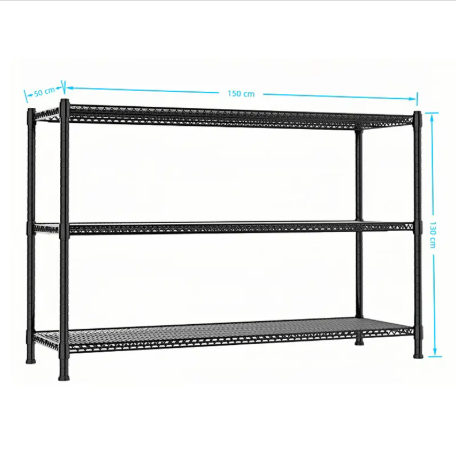
Larger or deeper wire shelves naturally cost more. Standard shelf units range from 14 inches to 24 inches deep and 24 inches to 72 inches wide. Commercial-grade versions can reach significant dimensions, tailored for warehouse or restaurant storage.
Wire shelves vary in how much weight they can bear. Light-duty units support around 100–200 pounds per shelf, while heavy-duty models can handle 800–1200 pounds or more per tier. The higher the load rating, the higher the cost.
Reputable brands command premium prices due to superior materials, design precision, and longer warranties. Budget brands usually cost less but may lack stability and longevity.
Wire shelving can be freestanding, wall-mounted, or custom modular systems:
- Freestanding: Moveable units that are easy to assemble; typically affordable.
- Wall-mounted: Require brackets and installation but save floor space.
- Modular systems: Offer flexibility and elegant design but cost the most due to customization.
Accessories like caster wheels, liners, hanging bars, and dividers can increase the total cost. A fully accessorized wire shelving system may cost twice as much as a basic version.
For home storage, buyers typically find three tiers of pricing:
- Budget: Simple chrome or epoxy-coated wire racks cost around $40 to $80 for a four-shelf unit.
- Mid-range: Heavy-duty sets or adjustable models range from $90 to $150.
- Premium: Designer finishes, stainless steel builds, or specially sized systems cost from $180 to $350 or higher.
Wall-mounted units vary from $20 per shelf to more than $100, depending on the length and finish.
In commercial environments such as restaurants, hospitals, and warehouses, pricing moves into another scale:
- Standard 4-tier heavy-duty units: $200–$400 depending on dimensions.
- Extra-large industrial racks: $450–$900 or more for stainless steel or corrosion-resistant models.
- Custom configurations: Can exceed $1000, depending on the application and mobility accessories.
Some retailers advertise prices per shelf, while others list complete units. For instance, a single 48-inch wire shelf may cost around $25–$60, but buying a full system often reduces the overall per-shelf cost due to bundled pricing.
Not all wire shelving is created equal. Here's how some major manufacturers and sellers structure their pricing and strengths.
Metro is a premium brand known for commercial-grade, rust-resistant shelving. Their Super Erecta series features chrome, Metroseal epoxy, or stainless-steel finishes. Prices typically start near $100 for small setups and can exceed $800 for custom kits.
This brand produces household and light industrial models. Prices range from $60–$200 for multi-tier shelving units. Many include adjustable shelves and carbon steel construction, providing excellent value for money.
Known for design-forward, space-saving solutions, IKEA offers wire shelving systems at $30–$150, depending on the design. These units are typically not intended for heavy-duty use but suit home pantries and closets.
Both major retailers provide a wide line of consumer-friendly wire shelving units with quick-install hardware. Basic sets start around $40, with premium adjustable systems reaching $300+.
Online stores frequently feature bulk deals and generic brands at competitive prices, ranging from $20–$250. However, quality can vary significantly, so checking user reviews is crucial.
Chrome-plated wire shelves are the most common. They offer a balance between style, durability, and cost. Expect to pay around $25–$40 per shelf. They suit office supplies, dry storage, and clean environments.
Epoxy coatings protect against humidity and corrosion, ideal for kitchens and basements. Prices range from $30–$55 per shelf depending on thickness and shelf depth.
Stainless steel units are the top-tier choice — long-lasting, hygienic, and resistant to rust. Prices start near $50 per shelf and can exceed $100. Many commercial kitchens use them for safety compliance.
Most homeowners can assemble freestanding wire shelving units without special tools. Assembly usually takes less than an hour. DIY installation costs nothing beyond your time.
For wall-mounted or built-in systems, professional installation may be necessary. Labor charges often range from $100–$250, depending on the number of shelves and wall materials.
If electrical or plumbing adjustments are needed (e.g., in garages or kitchens), costs increase accordingly.
- Buy in bulk: Many retailers offer discounts on multi-shelf kits.
- Choose adjustable designs: These extend usability even if your storage needs change.
- Shop during seasonal sales: Home improvement stores often discount shelving in spring and back-to-school seasons.
- Mix materials: Combine premium visible shelves with budget units in hidden storage areas.
- Maintain properly: Cleaning and drying shelves regularly will prolong lifespan, avoiding replacement costs.
These strategies help balance quality and affordability, especially for large projects like warehouse setups or pantry remodels.
- Air Circulation: Prevents dust buildup and keeps items dry.
- Lightweight and strong: Easy to move but capable of supporting heavy loads.
- Affordability: More economical than wood or solid metal shelving.
- Visibility: Open grids make stored items easy to find.
- Versatility: Wide range of configurations available.
- Surface grooves: Items may tilt or tip on uneven spaces.
- Limited aesthetics: Industrial appearance may not suit formal interiors.
- Potential for rust: If coating wears off in humid environments.
- Assembly required: Some users find setup tedious without proper tools.
These pros and cons help in deciding whether wire shelving is right for your intended use.
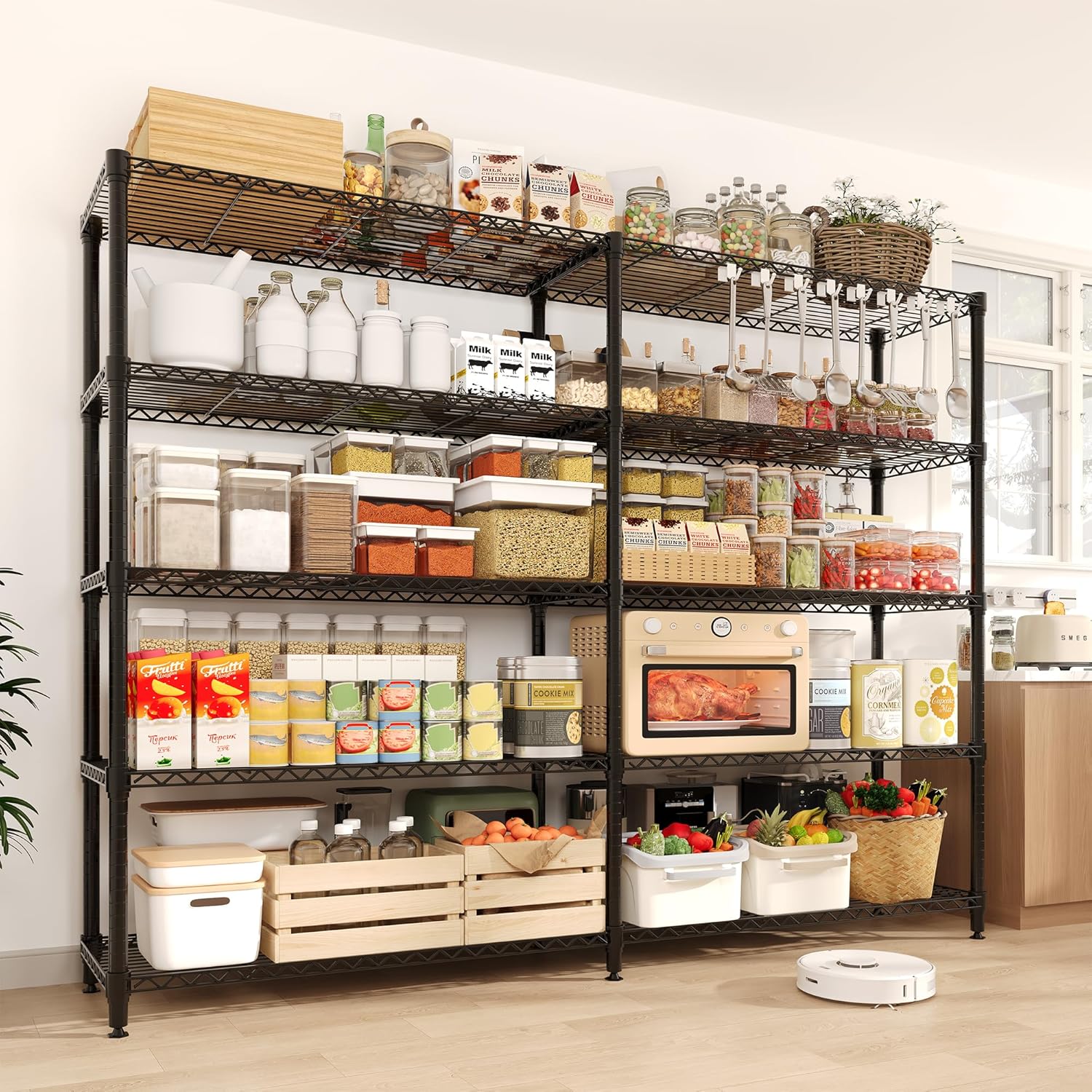
Wire shelves in pantries or kitchen walls offer breathable, easy-to-clean storage. Expect to pay around $20–$60 per shelf, or $100–$200 for a complete rig.
Closet wire shelving helps maximize vertical space. A full-length closet configuration may cost $150–$400, depending on size and number of shelves.
Heavy-duty racks for garage storage typically range from $120–$300, capable of holding tools, paint cans, or sports gear.
Smart retailers use chrome wire shelving to display merchandise attractively. Depending on finish, these may cost $250–$600, especially when combined with rolling casters.
For bulk storage, expect to pay $500–$1000 per large rack. Stainless variants may cost even more, but they last for decades under heavy use.
Choose epoxy or stainless finishes for humid or damp areas. Chrome works best in dry settings like bedrooms or offices.
If storing heavy items like boxes or machinery, pick heavy-duty wire shelves rated above 800 pounds per tier.
Sketch your available area before ordering. Measure ceiling height, wall conditions, and walkway space to prevent mismatched dimensions.
Adjustable tiers and modular posts provide more flexibility for future layout changes. Even small adjustments can significantly improve usability.
Use mild soap and water for regular cleaning. Inspect joints and connectors annually for signs of rust or structural wear.
1. Are wire shelves cheaper than solid shelves?
Yes. On average, wire shelves cost 20–40% less than solid wood or metal shelving, making them a cost-effective choice for functional spaces.
2. Can wire shelves hold heavy items?
Absolutely, but capacity varies. Lightweight models may handle 100–200 pounds per tier, while heavy-duty versions can hold up to 1000 pounds or more per shelf.
3. How do I prevent wire shelves from rusting?
Select epoxy or stainless steel models for damp environments. Regular cleaning and drying after contact with moisture also reduce rust risk.
4. Can I cut wire shelves to fit my space?
Yes. Many wire shelves can be trimmed with bolt cutters or hacksaws. However, be sure to smooth cut edges to prevent injury or rusting.
5. Are there stylish options for modern interiors?
Definitely. Many manufacturers now produce minimalist black matte or white epoxy finishes, giving contemporary homes a sleek, industrial look.
Hot Tags: China, Global, OEM, private label, manufacturers, factory, suppliers, manufacturing company


