
Views: 220 Author: shelves-racks Publish Time: 2026-01-28 Origin: Site
Content Menu
● Why Build a Folding Clothes Drying Rack?
>> Benefits of a Folding Drying Rack
>> Step 1: Measure and Cut the Wood
>> Step 2: Drill Holes for Dowels
>> Step 4: Add the Folding Mechanism
● Tips for Using Your Drying Rack
● Maintenance of Your Drying Rack
>> 1. How much does it cost to build a folding clothes drying rack?
>> 2. Can I use different types of wood?
>> 3. How long does it take to build?
>> 4. Is it better to air dry clothes indoors or outdoors?
>> 5. Can I customize the size of the drying rack?
Creating a folding clothes drying rack is a practical and rewarding DIY project that can help you save space and energy while keeping your clothes in great condition. This guide will walk you through the process of building your own drying rack, from selecting materials to the final assembly.
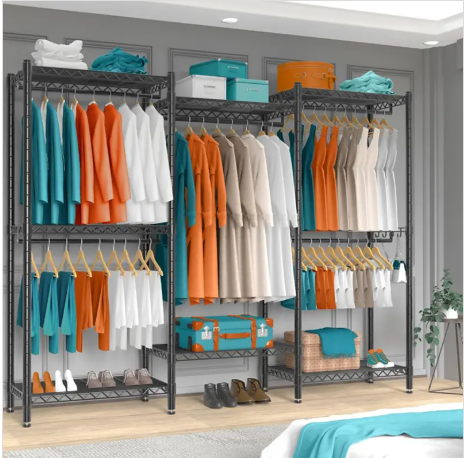
A folding clothes drying rack offers several advantages:
- Space-Saving: When not in use, it can be easily folded and stored away.
- Energy Efficient: Air drying clothes reduces energy consumption compared to using a dryer.
- Gentle on Fabrics: Air drying helps prevent shrinkage and damage to delicate fabrics.
- Cost-Effective: Building your own rack can be cheaper than purchasing a commercial one.
Before you start building, gather the following materials:
- Wood: Choose sturdy wood like pine or cedar. You will need:
- 2 pieces of 1x4 inches (for the frame)
- 6 pieces of 1x2 inches (for the crossbars)
- Wood Dowels: ½ inch diameter, cut to your desired length for hanging clothes.
- Hinges: Two heavy-duty hinges for the folding mechanism.
- Wood Glue: For securing joints.
- Screws: To attach the frame and dowels.
- Sandpaper: For smoothing edges.
- Finish: Optional, for sealing and protecting the wood.
You will need the following tools to complete your project:
- Saw: A miter saw or hand saw for cutting wood.
- Drill: For making holes and driving screws.
- Screwdriver: To tighten screws.
- Measuring Tape: For accurate measurements.
- Clamps: To hold pieces together while the glue dries.
1. Frame Pieces: Cut two pieces of 1x4 inches to your desired height for the vertical sides of the rack. A common height is around 5 feet.
2. Crossbars: Cut six pieces of 1x2 inches to the width of your rack. A typical width is about 3 feet.
3. Dowels: Cut the dowels to the desired length, usually around 2 feet.
1. Mark the Positions: On each vertical frame piece, mark where you want the dowels to go. Space them evenly, typically about 6 inches apart.
2. Drill Holes: Use a drill to create holes for the dowels. The holes should be slightly larger than the dowel diameter to allow for easy insertion.
1. Attach Crossbars: Lay the two vertical frame pieces parallel to each other. Attach the crossbars between them using wood glue and screws. Ensure they are level and secure.
2. Insert Dowels: Once the frame is assembled, insert the dowels into the drilled holes. Use wood glue to secure them in place.
1. Attach Hinges: On the top of the vertical frame, attach the hinges. This will allow the rack to fold down when not in use.
2. Secure the Hinges: Make sure the hinges are firmly attached and can support the weight of the clothes.
1. Sand the Edges: Use sandpaper to smooth out any rough edges on the wood. This will prevent splinters and give a polished look.
2. Apply Finish: If desired, apply a wood finish or sealant to protect the wood from moisture and wear.
1. Check Stability: Once everything is dry, check the stability of the rack. Ensure that it can hold the weight of wet clothes without wobbling.
2. Test the Folding Mechanism: Open and close the rack several times to ensure the hinges work smoothly.
- Placement: Position your drying rack in a well-ventilated area to speed up drying time.
- Weight Distribution: Distribute clothes evenly across the dowels to prevent tipping.
- Avoid Overloading: Do not overload the rack, as this can cause it to collapse or become unstable.
To ensure longevity, regularly check for any loose screws or damaged parts. Clean the rack periodically to remove dust and lint. If you notice any signs of wear, consider reapplying the finish to protect the wood.
Building a folding clothes drying rack is a straightforward project that can enhance your laundry routine. With just a few materials and tools, you can create a functional and stylish drying solution that saves space and energy. Enjoy the satisfaction of making your own drying rack and the benefits it brings to your home.
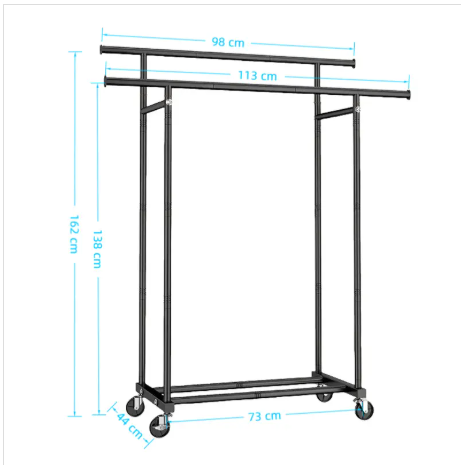
The cost can vary based on materials, but typically it ranges from $30 to $50.
Yes, you can use various types of wood, but ensure they are sturdy enough to support wet clothes.
The project can take about 2 to 4 hours, depending on your skill level and the complexity of the design.
Both have benefits; air drying outdoors can be faster due to wind and sunlight, while indoor drying is more convenient in bad weather.
Absolutely! You can adjust the dimensions based on your available space and needs.
Hot Tags: China, Global, OEM, private label, manufacturers, factory, suppliers, manufacturing company


