
Views: 220 Author: shelves-racks Publish Time: 2026-01-06 Origin: Site
Content Menu
● Step-by-Step Guide to Cutting Wire Shelves
>> Step 3: Choose Your Cutting Method
>>> Using a Hacksaw
>> 1. Can I use a regular saw to cut wire shelving?
>> 2. What if I don't have bolt cutters?
>> 3. How do I ensure a straight cut?
>> 4. Is it safe to cut wire shelving indoors?
>> 5. What should I do with the cut ends of the wire?
Cutting wire shelves can be a straightforward task if you have the right tools and techniques. Whether you're resizing shelves for a closet, garage, or pantry, knowing how to cut wire shelving properly will ensure a clean and effective result. This guide will walk you through the process step-by-step, including the tools you'll need, safety precautions, and tips for achieving the best results.
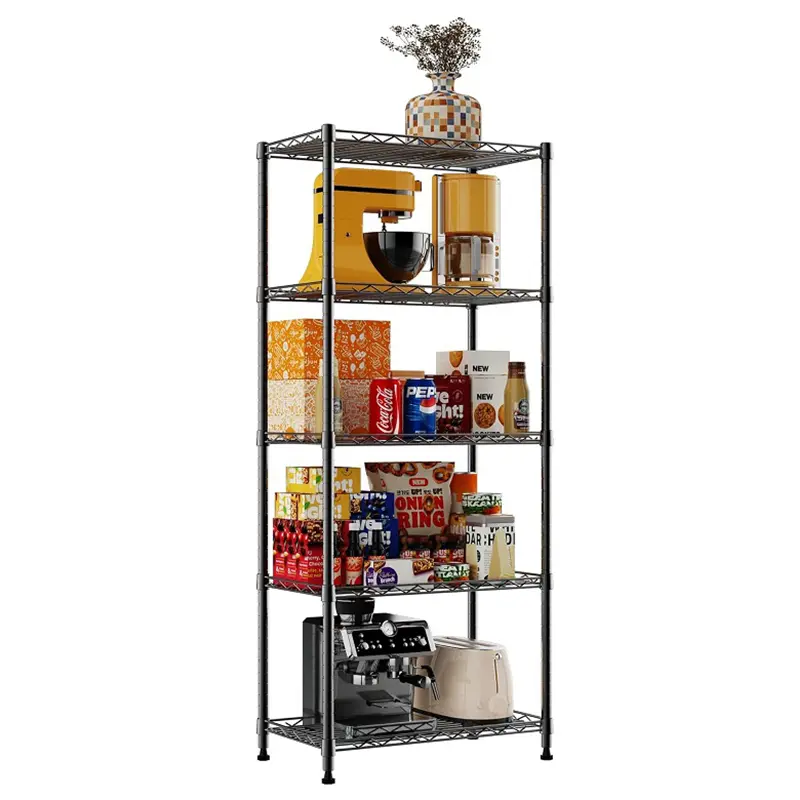
Wire shelving is a popular choice for storage solutions due to its lightweight design and versatility. These shelves are typically made from steel wire and coated with a protective finish to prevent rust and corrosion. They come in various sizes and can be used in different settings, including homes, offices, and retail spaces.
- Lightweight and Easy to Install: Wire shelves are easy to handle and can be installed without heavy-duty tools.
- Versatile: They can be used in various environments, from kitchens to garages.
- Adjustable: Many wire shelving systems allow for height adjustments, making them customizable to your needs.
Before you start cutting, gather the following tools:
- Measuring Tape: For accurate measurements.
- Marker or Tape: To mark your cutting lines.
- Safety Gear: Safety glasses and gloves to protect yourself.
- Cutting Tools: Depending on your preference, you can use:
- Bolt Cutters: Ideal for thicker wire shelves.
- Hacksaw: A versatile tool that works well for most wire shelving.
- Rotary Tool: A Dremel or similar tool can provide precise cuts.
- Jigsaw: Useful for cutting curves or intricate shapes.
1. Measure the Space: Determine the length you need for your wire shelf. Measure the area where the shelf will be installed and subtract about an inch to allow for brackets.
2. Mark the Cut Line: Use a marker or tape to clearly indicate where you will cut. Ensure the line is straight and visible.
1. Lay the Shelf Flat: Place the wire shelf on a stable work surface, such as a workbench or table.
2. Clamp It Down: Use clamps to secure the shelf in place. This will prevent it from moving while you cut.
1. Position the Cutters: Align the jaws of the bolt cutters with your marked line.
2. Apply Pressure: Squeeze the handles together firmly to cut through the wire. You may need to reposition the shelf to access different sections.
1. Align the Blade: Place the hacksaw blade on the marked line.
2. Cut Smoothly: Use even strokes to cut through the wire. Avoid forcing the saw; let it do the work.
1. Attach the Cutting Wheel: Ensure you have a metal cutting wheel attached to your rotary tool.
2. Guide the Tool: Turn on the tool and carefully guide it along the marked line. Be cautious of sparks and keep flammable materials away.
1. File the Edges: After cutting, use a metal file to smooth any rough edges or burrs. This will prevent injuries and ensure a clean finish.
2. Add End Caps: If your wire shelf has exposed ends, consider adding plastic end caps to protect the edges and improve aesthetics.
- Wear Safety Gear: Always wear safety glasses and gloves to protect your eyes and hands from sharp edges and flying debris.
- Work in a Well-Ventilated Area: If using power tools, ensure your workspace is well-ventilated to avoid inhaling any dust or fumes.
- Keep Tools in Good Condition: Ensure your cutting tools are sharp and in good working order to make the cutting process easier and safer.
- Not Measuring Accurately: Double-check your measurements before cutting to avoid wasting materials.
- Cutting Too Close to the Wire: When marking your cut line, ensure you leave enough space for the end caps.
- Forcing the Cut: Let the tool do the work; forcing it can lead to uneven cuts or damage to the shelf.
While a regular saw can work, it is not recommended. A hacksaw or bolt cutter is more effective for cutting wire shelving due to their design and cutting capabilities.
If you don't have bolt cutters, a hacksaw or rotary tool can be used as alternatives. Both tools can effectively cut through wire shelving.
To ensure a straight cut, use a measuring tape to mark your cut line clearly. Clamping the shelf down will also help keep it steady while cutting.
Yes, as long as you take proper safety precautions, such as wearing safety gear and ensuring good ventilation if using power tools.
After cutting, file down any sharp edges to prevent injuries. You can also add plastic end caps to cover the exposed ends for a cleaner look.
Cutting wire shelves is a manageable task that can enhance your storage solutions. By following the steps outlined in this guide and using the right tools, you can achieve precise cuts and customize your shelving to fit your needs. Remember to prioritize safety and take your time to ensure the best results.
Hot Tags: China, Global, OEM, private label, manufacturers, factory, suppliers, manufacturing company


