
Views: 220 Author: WAIGAOQIAO Publish Time: 2026-04-09 Origin: Site
Content Menu
● Understanding Your Wire Shelving System
● Pre-Installation Preparation and Safety
● Detailed Step-by-Step Installation Process
>> Step 1: Installing the Casters
>> Step 2: Setting the Foundation
>> Step 3: Installing the Split Sleeves
>> Step 4: Placing the First Shelf
>> Step 5: Adding Subsequent Shelves
>> Step 6: Final Adjustments and Safety Checks
● Advanced Tips for Professional Shelving Performance
● Best Practices for Maintenance and Load Management
● Enhancing Your Shelving Experience with Accessories
Efficient storage is the backbone of any organized home, office, or commercial workspace. When dealing with heavy-duty storage needs, wire shelving units are often the gold standard due to their durability, breathability, and modular design. Adding wheels (casters) to these units transforms them from static storage into versatile, mobile solutions, allowing you to maximize utility in dynamic environments.
As a professional OEM provider, WAIGAOQIAO understands the intricacies of manufacturing high-quality wire shelving. This guide serves as your comprehensive resource for understanding how to properly assemble and install wire shelving units with wheels to ensure maximum stability, safety, and functionality.
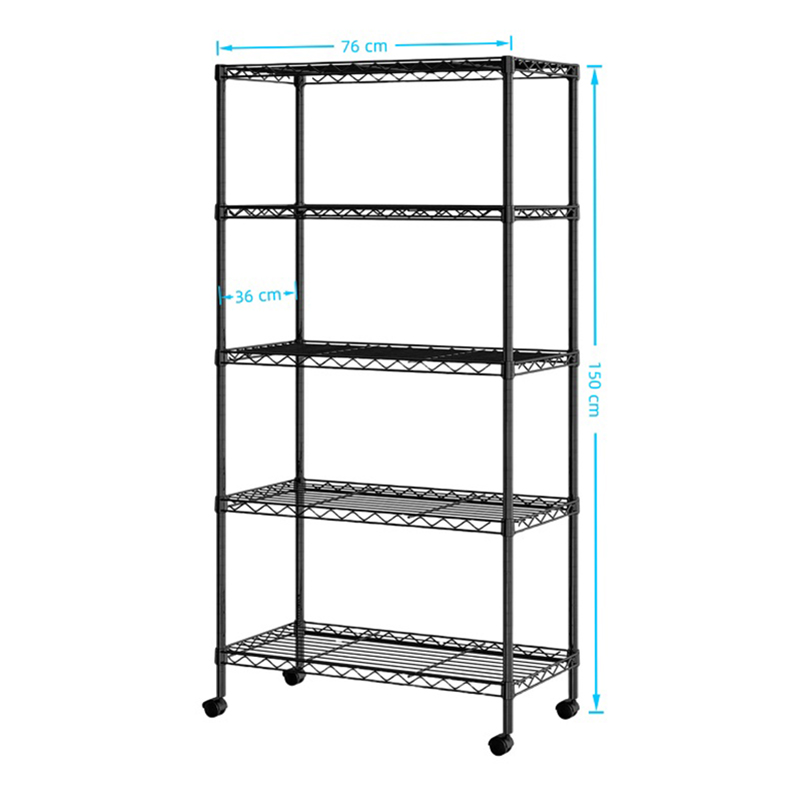
Before you begin the assembly process, it is essential to understand the components that make up a standard industrial-grade wire shelving unit. Most high-quality systems, whether intended for home kitchens, garage storage, or retail display, share the same fundamental architecture.
* Vertical Posts: These are the backbone of your unit, usually featuring grooved increments that allow for precise height adjustment of shelves.
* Wire Shelves: The horizontal storage surfaces that slide onto the posts.
* Split Sleeves (Plastic Clips): These small, crucial plastic components snap onto the grooves of the posts. They provide the support collar for the shelves to rest on.
* Casters (Wheels): The mobility component that replaces standard leveling feet. Most casters for these units are industrial-grade and feature locking mechanisms to keep the unit stationary when needed.
The foundation of a sturdy shelving unit is built long before you attach the first shelf. Proper preparation ensures that the final assembly will hold its rated capacity without wobbling or leaning.
Ensure your installation area is flat, level, and solid. Because mobile units rely on smooth movement, uneven floors—such as thick carpet or cracked concrete—can put unnecessary stress on the wheels and the frame.
Lay out all components in an open area. Ensure you have the correct number of shelves, posts, split sleeves, and casters. Inspect the components for any defects. If your unit is particularly large, consider performing the initial assembly with a helper to stabilize the vertical posts. Always check that the caster threads match the post inserts, as using mismatched parts is a common cause of structural failure.
Assembling mobile wire shelving is a straightforward process if you follow the correct sequence. The goal is to build from the ground up to ensure structural integrity and long-term durability.
The very first step is to secure your wheels. If your unit came with leveling feet (adjustable bolts), remove them by pulling them straight out of the bottom of the posts. Take the caster stem and align it with the opening at the bottom of the vertical post. Push it in firmly. Most industrial casters for wire shelving are friction-fit or threaded. If yours are threaded, rotate them clockwise using the provided wrench until they are fully seated and flush against the post. Ensure the casters are tightened adequately, as loose casters can cause the post to wobble, placing uneven pressure on the frame during movement.
Once all four posts have casters attached, stand them upright. Determine the height for your bottom shelf. Standard safety guidelines, such as those often required for commercial environments, dictate that the lowest shelf should be no more than a few inches from the floor to maintain a low center of gravity. A low center of gravity is crucial for mobile units, as it significantly reduces the risk of the unit tipping over when it is being pushed across a room.
Snap the plastic split sleeves onto the grooves of all four posts at the desired height. Ensure the arrow on the sleeve points upward. When you hear a click, the sleeve is properly seated in the groove. It is helpful to count the grooves from the bottom of the post to ensure that all four sleeves are placed at the exact same level. If one sleeve is even slightly off, the entire shelf will sit crooked, causing instability across the entire unit.
Carefully slide the wire shelf over the four posts. Because the holes in the shelf corners are tapered, they will sit securely over the split sleeves. Once the shelf is resting on the sleeves, push down firmly on the corners of the shelf. The weight of the unit will naturally tighten the shelf onto the sleeves, creating a rock-solid connection. At this stage, do not worry if the unit feels slightly loose; the weight of subsequent shelves and items will help seat the components further.
Continue the process for the remaining shelves. Move up the posts, snapping your split sleeves into the grooves at your desired intervals, then sliding the next shelf down over the posts. For a balanced unit, space your shelves evenly. If you are storing particularly heavy items, keep them on the lowest shelf to ensure the unit remains stable when it is being moved. Always work with the heaviest items closer to the bottom to optimize the center of gravity.
Before loading your shelves, check the entire unit for squareness. If the unit feels slightly wobbly, use a rubber mallet to gently tap the corners of the shelves down until they are firmly seated. Lock all four wheels before loading items to ensure the unit does not roll away during the loading process. Once finished, test the unit's mobility by unlocking the wheels and pushing the unit along your floor. It should glide smoothly without noise or resistance.
To elevate your storage setup, consider these professional-grade techniques that ensure your shelving remains in peak condition over years of heavy use.
While mobile shelving is designed to move, a unit that is not level will experience uneven wear on its casters. If you notice the unit is pulling to one side, check the floor surface. If the floor is level, re-check the seating of your casters. A slightly bent caster stem can lead to a wheel "shimming," which causes vibration and potential damage to the floor or the shelving unit itself.
One of the most common mistakes is treating a mobile shelf exactly like a static one. When a shelf is on wheels, it is subject to "dynamic loading." This occurs when you push the unit over a bump, such as a floor transition strip. This impact creates a momentary spike in weight on the wheels. Always ensure your load is well within the "mobile capacity" rating of your casters, which is often lower than the "static capacity."
At WAIGAOQIAO, we emphasize that not all wheels are created equal. For high-weight applications, consider polyurethane wheels, which offer a balance between durability and floor protection. For lighter retail environments, rubber-treaded casters provide better grip and quieter movement. Always match the caster type to your flooring—hard plastic wheels can scratch delicate wood or high-end tile, whereas softer materials are gentler but may wear out faster under heavy, constant use.
A properly assembled unit can last for decades, but it requires responsible use.
* Understand Load Capacities: Every shelf and total unit has a weight limit. Mobile units generally have a lower total load capacity than stationary units because the wheels represent a potential failure point under extreme stress. Always adhere to the manufacturer's specifications.
* Distribute Weight Evenly: Avoid overloading one side of the shelf. Distributing weight evenly prevents the unit from tipping and ensures that the pressure on the casters remains balanced. A lopsided load is the leading cause of caster failure and tipping accidents.
* Maintenance: Periodically check the casters for debris—such as hair, dust, or thread—that can impede movement. If you notice a wheel is stiff, a light application of silicone-based lubricant can restore smooth operation. Never use heavy grease, as it tends to attract dust and grit, which can quickly degrade the ball bearings.
* Avoid Shock Loading: Do not drop heavy objects onto the shelves from a height. This "shock load" can cause the plastic sleeves to crack or the metal frame to deform. Always place items gently to maintain the structural integrity of the shelves.
* Regular Inspections: Every few months, take a few minutes to inspect the entire unit. Tighten any loose connections and check the integrity of the plastic sleeves. Over time, plastic can become brittle, especially in environments with extreme temperature fluctuations, such as unheated garages or cold storage rooms. If you see signs of cracking, replace the sleeves immediately.
To truly customize your wire shelving, consider the wide range of accessories available in the market. These additions can drastically improve your workflow and organization.
* Side Panels and Dividers: These are excellent for preventing items from sliding off the sides of the shelves. They are particularly useful in retail settings where items need to be organized neatly for customers.
* Shelf Liners: While wire is excellent for breathability, it can be difficult to store smaller items. Plastic or acrylic shelf liners provide a solid surface that prevents small objects from falling through the gaps while maintaining the overall strength of the metal frame.
* Label Holders: For wholesale and commercial environments, clear label holders are essential. They snap onto the front of the wire shelf, allowing for quick identification of inventory.
* Push Handles: Installing a dedicated handle on the side of the unit makes it much easier to maneuver, especially when the unit is heavily loaded. It also prevents users from grabbing the wire frame itself, which can be sharp or uncomfortable.
By integrating these components, you not only improve the functionality of your mobile unit but also protect the longevity of the structure by reducing unnecessary handling and strain on the wire mesh.

Q: Can I replace standard leveling feet with wheels later?
A: Yes, in most cases, you can remove the leveling feet and insert the caster stems into the same opening. Ensure the casters are compatible with your post diameter. It is often wise to check if your existing posts are rated for the additional stress of mobility before upgrading.
Q: What should I do if the shelves are wobbly after assembly?
A: This usually means the shelves are not fully seated on the split sleeves. Use a rubber mallet to firmly tap the shelf corners down. Also, ensure all plastic sleeves are snapped into the same numbered grooves on all four posts. Double-check that your floor is level, as an uneven surface is often the hidden culprit behind a wobbly unit.
Q: Do I need tools to assemble this unit?
A: Generally, no. Most high-quality wire shelving units are designed for tool-free assembly. However, a rubber mallet can be very helpful for seating the shelves firmly. If your casters are the threaded variety, you may need a standard open-ended wrench for final tightening.
Q: What is the maximum load for a mobile wire shelving unit?
A: It depends on the specific model. Always check the product manual. As a general rule, mobile units have lower weight limits than stationary units due to the limitations of the wheels. Always prioritize the rating of your weakest component, which is usually the caster, not the metal shelf itself.
Q: Is it safe to move a fully loaded shelf?
A: Yes, provided you are within the manufacturer's weight limit. Always push the unit slowly, and push from the base rather than the top to prevent tipping. Avoid sudden stops or sharp turns, as the inertia of a heavy load can easily cause the unit to destabilize.


