
Views: 220 Author: shelves-racks Publish Time: 2026-03-13 Origin: Site
Content Menu
● Understanding Why Wire Shelves Sag
>> Inadequate Mounting or Anchoring
>> Poor Quality Materials or Old Shelves
● Assessing Your Shelving System
>> Step 1: Check for Visible Bending
>> Step 2: Inspect the Wall Brackets and Posts
● Solutions for Preventing Wire Shelf Sagging
>> Add Center Supports or Middle Brackets
>> Install Shelf Liners for Even Load Distribution
>> Reinforce with Steel Tubes or Wooden Dowels
>> Use Multiple Shelves for Heavy Storage
>> Method 1: Wooden Support Beams
>> Method 2: Custom‑Cut MDF or Plywood Base
>> Method 3: Anchor Wires to the Wall
>> Method 4: Use Cable or Chain Bracing
● When to Replace Your Wire Shelves
>> Signs It's Time for a New System
● Choosing Stronger Replacement Options
>> Wire Shelves with Built‑in Reinforcement Bars
● Maintaining Wire Shelves for the Long Term
>> Regularly Rotate Stored Items
>> Inspect Fasteners and Supports Twice a Year
● Professional Reinforcement Options
>> Using Adjustable Track Systems
● Creative Aesthetic Upgrades That Add Strength
● Cost Comparison: Repair vs. Replacement
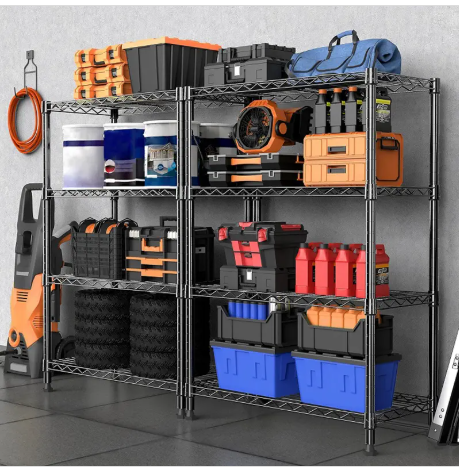
● Real‑World Example: Garage Shelving Upgrade
● FAQs About Preventing Wire Shelf Sagging
Wire shelving is popular because it's lightweight, affordable, and surprisingly strong for its weight. But over time, these advantages can fade when shelves start to bow or sag in the middle under heavy loads. Whether you use wire shelves in the pantry, closet, garage, or office, sagging not only looks bad but also weakens the structure and can cause things to fall. Fortunately, there are several ways to prevent or fix this problem, ranging from simple DIY solutions to professional reinforcement.

Before you can fix the issue, it helps to understand what causes wire shelves to bend in the first place. The three main culprits are weight distribution, shelf design, and installation method.
Wire racks are usually designed to hold light or medium loads, but when heavy items are placed on the middle span, the shelf gradually bends. The rods or wires can flex slightly, which is fine for light use, but constant overloading pushes them beyond their elastic limit.
Example: A pantry shelf packed with dozens of canned goods often starts to bow after a few months because each can adds concentrated weight in a small area.
If a shelf isn't anchored securely to wall studs or doesn't have enough brackets underneath, it's essentially hanging in midair. The longer the unsupported span, the greater the sag. A well‑installed shelf transfers weight down into the wall supports.
Inexpensive wire shelving sometimes uses thinner gauge steel or aluminum, which can deform more easily. Over time, rust and repeated flexing further weaken the structure. Even the best shelving will sag if neglected for years.
Before making changes, take a close look at your current shelving setup. A visual and physical assessment can reveal what solution works best.
Sight along the edge of each shelf — if it droops noticeably in the middle, measure the deflection. Even a small bow can grow worse over time.
Ensure the support braces are tight and connected to wall studs, not just drywall anchors. Loose or missing screws often cause subtle sagging.
Estimate how much total weight sits on each shelf. If it's mostly heavy items like books, paint cans, or tools, consider redistributing them or upgrading to stronger supports.
There isn't a single universal fix. The best approach depends on what materials you have, the type of shelving, and whether you can modify the installation.
One of the easiest and most effective methods is installing a center support bar or extra bracket underneath the weakest part of the shelf. Many manufacturers sell add‑on kits that clip directly to the wire frame.
When properly spaced, these supports shorten the unsupported span and redistribute the load evenly. This drastically reduces flexing, especially in long wire shelves over four feet.
Another smart technique is to cover the wires with a solid shelf liner made from acrylic, plywood, or heavy plastic. This spreads weight across the entire surface rather than concentrating it on the metal rods.
You can buy custom‑fit plastic liners or cut your own from thin plywood. For wire pantry shelves, a liner also stops small items from tipping or falling through gaps. When using wood, seal it with varnish or polyurethane to resist moisture.
If the shelf design allows, run a steel rod or wooden dowel through the channel in the front or rear lip of the shelf. This reinforcement changes how the shelf carries the load: instead of bending, the rod shares the stress along its length.
For a DIY option, an inexpensive hardwood dowel fitted snugly under the front edge adds surprising stiffness. For the heaviest loads, a square steel tube can be zip‑tied to the underside of the front frame for permanent reinforcement.
When sagging occurs near the wall, the problem might not be the shelf itself but the wall anchors. Plastic drywall anchors can gradually pull out under constant load. Swap them for metal toggle bolts, or better yet, mount the supports directly into wall studs.
If your shelves hang from a track system, make sure each vertical standard is tightly secured with long screws driven into studs.
Even the strongest shelf will sag if you ignore basic loading principles. Proper weight management prevents both immediate and long‑term deformation.
Always spread weight across the entire length instead of piling everything in the center. Keep lighter items in the middle and heavier ones closer to the ends where the brackets are strongest.
Instead of stacking multiple heavy boxes in one spot, place them side by side. The key is to remove pressure points that cause downward bending in one area.
If you regularly store dense items such as paint cans, gym equipment, or power tools, divide the load between two or more shelves. This way, each shelf carries less weight.
Sometimes replacing the entire shelving system isn't necessary. A little creativity can breathe new life into your existing wire shelves.
Cut a plank of 1×2 or 1×3 pine to match your shelf width. Screw it underneath the wire grid using clamps or brackets. The wood acts like a bridge beam, absorbing downward force. You can also stain or paint it to match your décor.
Place a rigid board on top of your wire shelf to cover the entire span. Although it adds slight weight, the solid surface eliminates localized pressure points. This method is ideal for closet shelves that hold shoes or folded clothes.
If the rear of the shelf flexes away from the wall, install small L‑brackets or zip‑ties that anchor the back rod directly to the studs. It's a low‑cost fix that keeps the shelf from bowing outward.
For garage or basement shelving, you can suspend lightweight steel cables or chains from the ceiling joists to the front edge of the shelf. This transfers part of the load upward, turning the shelf into a semi‑suspended structure.
Sometimes reinforcement just prolongs the inevitable. If the metal coating has rusted through, if wires have snapped, or if the shelf feels unstable despite added supports, replacement is the safer route.
- Visible cracks in weld joints or broken rods
- Noticeable sag even after reinforcement
- Corrosion that compromises strength
- Mounting hardware pulling out of the wall
- Repeated repairs that don't last
Modern shelving kits often feature thicker gauge steel and improved wall brackets, making them far more durable than older designs.
If you do decide to replace your shelves, choose materials and build quality according to your storage needs.
Look for shelves labeled "industrial grade" or "commercial duty" — these usually use thicker wires and higher load ratings per linear foot. Brands that supply restaurant kitchens or warehouses are good benchmarks.
Some premium models include front and center reinforcement bars right from the factory. These bars increase stiffness without you having to install anything extra.
You can also combine wire shelves with other materials. For example, use wire for upper light‑duty storage and solid wood or laminate for lower heavy‑duty layers. This mix preserves airflow while ensuring strength where it matters most.
Preventive care extends the lifespan of any shelving system. Small habits done consistently keep sagging from returning.
If you always keep the same heavy objects in one area, pressure accumulates over time. Occasionally move items around to allow the metal to recover and redistribute stress.
Moisture accelerates rust and weakens welds. Wipe shelves with a dry cloth after spills and apply a light coat of rust‑resistant spray annually, especially in damp areas like laundry rooms or basements.
Loose screws, bent brackets, or pulled‑out wall anchors can lead to sudden collapses. Routine checks ensure everything stays secure.
If DIY repairs aren't your thing or if you're dealing with an extensive system, consider professional upgrades.
A contractor can replace your fixed wire shelves with adjustable track‑mounted shelving. This setup locks into wall studs and distributes weight evenly through multiple points, nearly eliminating sagging.
For high‑end garages or closets, metal fabricators can weld custom tubular reinforcements onto existing shelves, giving them industrial‑grade strength without replacing the entire system.
Practical fixes don't have to look plain. You can integrate reinforcement into the design.
Installing a decorative wooden fascia or molding along the front edge adds stiffness and hides the wire grid underneath. A stained or painted piece of trim instantly upgrades visual appeal.
If your shelves are coated white, transparent acrylic liners keep them looking sleek while supporting weight. For black or chrome shelves, tinted acrylic or glass adds a modern touch.
Many people unintentionally make sagging worse. Avoid these pitfalls:
- Storing liquids or chemicals on upper wire shelves without adequate support
- Using thin plastic liners that bow instead of stiffen the surface
- Relying on plastic anchors instead of reaching wall studs
- Overloading one long span instead of dividing it into sections
- Ignoring early signs of bending
By steering clear of these errors, your shelves will maintain their shape much longer.
| Option | Materials Required | Average Cost | Durability | Difficulty |
|---|---|---|---|---|
| Add center brackets | Brackets, screws | Low | High | Easy |
| Install plywood liner | Plywood, screws | Low–medium | Medium | Easy |
| Replace with heavy‑duty wire shelf | New shelving kit | Medium | High | Moderate |
| Professional reinforcement | Custom parts, labor | High | Very high | Expert |
| Track‑mounted system | Metal tracks, studs | High | Very high | Moderate |
The ideal solution depends on how often you use the shelves and how heavy your loads are. Often, a combination — new brackets plus a solid liner — balances cost and longevity effectively.
Whenever you modify shelves, prioritize safety.
- Always remove items before adjusting or reinforcing.
- Wear gloves when cutting or handling metal edges.
- Confirm wall studs with a stud finder before drilling.
- Use appropriate anchors for your wall type (drywall, plaster, concrete).
- If in doubt, seek help from a qualified installer.
Imagine a homeowner storing car parts and tools on an eight‑foot‑long wire rack that began to sag by almost an inch in the middle. Instead of replacing it, they:
1. Attached two steel center brackets to the wall studs below the sag.
2. Fitted a stained 1×3 wooden beam under the front edge.
3. Added a plywood liner to create a flat surface for toolboxes.
Result: The shelf regained rigidity, held even more weight safely, and looked more intentional in the space.
1. What is the maximum weight a wire shelf can hold?
It depends on size and gauge. Typical residential wire shelves handle 60–100 pounds per linear foot if properly mounted to studs, but heavy‑duty models can hold far more.
2. Can I fix a sagging shelf without removing it?
Yes. Clip‑on center supports or under‑shelf brackets can often be installed without disassembling the entire unit.
3. Are plastic shelf liners strong enough?
Thin liners prevent small items from falling but don't add much structural support. For reinforcement, use thicker acrylic or plywood.
4. Why are my wall anchors pulling out?
Drywall alone can't handle significant shear force. Replace plastic plugs with toggle bolts or drive screws directly into wood studs.
5. How can I make wire shelves look more stylish after reinforcing them?
Add painted wooden trim, stained fascia boards, or tinted liners. These options disguise reinforcement while giving a polished finish.
6. Do humidity or temperature changes affect sagging?
Yes, moisture can cause corrosion and weaken metal over time. Keeping humidity low and using rust inhibitors helps maintain shelf strength.
Hot Tags: China, Global, OEM, private label, manufacturers, factory, suppliers, manufacturing company


