
Views: 220 Author: shelves-racks Publish Time: 2026-01-07 Origin: Site
Content Menu
>> Step 1: Measure Your Shelves
● Alternative Methods for Covering Wire Shelves
● Maintenance of Wire Shelf Covers
>> 1. What materials are best for making wire shelf covers?
>> 2. How do I measure my wire shelves for covers?
>> 3. Can I use paint on my wooden shelf covers?
>> 4. How do I attach fabric covers to wire shelves?
>> 5. Are foam board covers durable?
Wire shelves are a popular choice for storage in closets, kitchens, and garages due to their versatility and affordability. However, they can sometimes be unsightly and may not fit well with your home decor. Making covers for wire shelves can enhance their appearance and provide a more polished look. In this article, we will explore various methods to create covers for wire shelves, including materials needed, step-by-step instructions, and tips for achieving the best results.
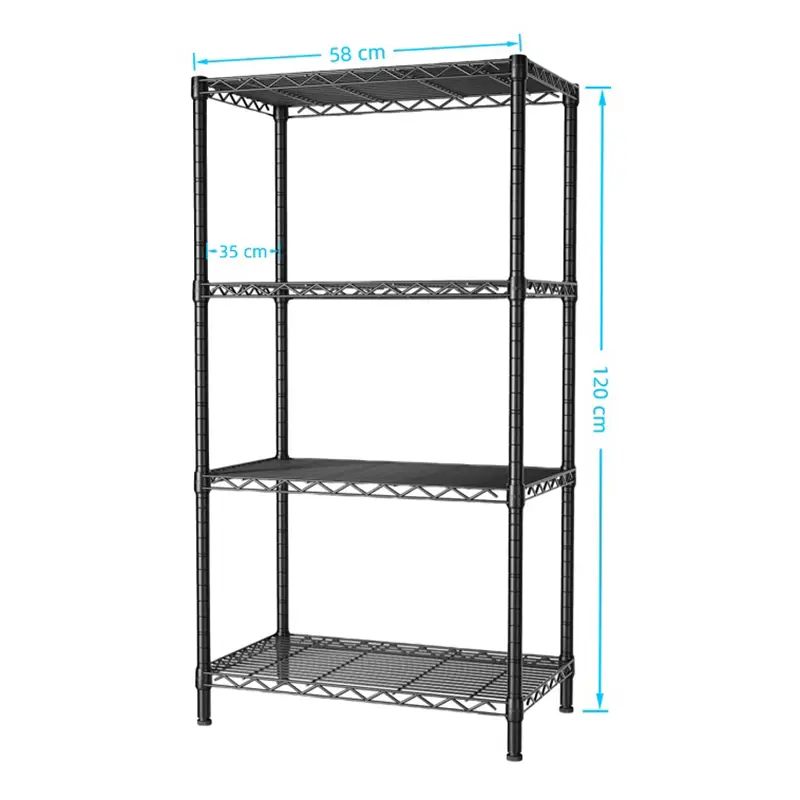
Wire shelves are made from metal or plastic wires that are arranged in a grid pattern. They are lightweight, easy to install, and allow for good air circulation, making them ideal for storing items in various settings. However, their open design can lead to items falling through or becoming dusty.
Covering wire shelves can serve multiple purposes:
- Aesthetic Appeal: Covers can match your decor, making the shelves look more integrated into your space.
- Dust Protection: Covers can help keep items clean and free from dust.
- Enhanced Organization: By using covers, you can create a more organized appearance, hiding clutter and making it easier to find items.
Before starting your project, gather the following materials:
- Plywood or MDF: For a sturdy cover, choose a thickness of at least 1/4 inch.
- Measuring Tape: To measure the dimensions of your wire shelves accurately.
- Saw: A circular saw or jigsaw will work for cutting the wood.
- Wood Glue: For securing pieces together.
- Nails or Screws: To attach the cover to the shelf.
- Sandpaper: For smoothing edges.
- Paint or Stain: To finish the covers and match your decor.
- Optional Trim: For a decorative edge.
Begin by measuring the length and depth of your wire shelves. Use a measuring tape to ensure accuracy. Write down these measurements, as they will guide your cuts.
Using your measurements, cut the plywood or MDF to size. If you want a lip on the front of the cover, cut a separate piece of wood to create this detail. A miter saw or jigsaw works best for this task.
Once the wood is cut, use sandpaper to smooth any rough edges. This step is crucial for preventing splinters and ensuring a clean finish.
If you are adding a lip, attach it to the front of the cover using wood glue and nails. Ensure it is flush with the edge of the main piece. Allow the glue to dry according to the manufacturer's instructions.
After the assembly is complete, you can paint or stain the cover to match your decor. Apply a few coats for a durable finish, allowing each coat to dry completely.
Once the finish is dry, place the cover on the wire shelf. Depending on your design, you may want to secure it with screws or simply let it rest on the shelf.
- Choose the Right Material: Plywood is sturdy and easy to work with, while MDF offers a smooth finish but can be heavier.
- Consider Weight: Ensure that the wire shelves can support the weight of the covers and any items you plan to place on them.
- Use a Level: When installing the covers, use a level to ensure they sit evenly on the shelves.
- Decorative Options: Consider adding decorative trim or molding to enhance the appearance of your covers.
If you prefer a softer look, fabric covers can be a great alternative. Here's how to make them:
1. Measure and Cut Fabric: Measure the dimensions of your shelves and cut fabric accordingly, allowing extra for hems.
2. Sew Hems: Sew the edges to prevent fraying.
3. Attach with Velcro: Use Velcro strips to attach the fabric to the shelves, allowing for easy removal and washing.
For a budget-friendly option, consider using foam board:
1. Cut Foam Board: Measure and cut foam board to fit your shelves.
2. Decorate: Use contact paper or paint to give the foam board a finished look.
3. Install: Simply place the foam board on the shelves without any additional attachments.
Once your covers are installed, maintaining them is essential for longevity:
- Regular Cleaning: Dust the covers regularly to keep them looking fresh.
- Check for Damage: Inspect for any signs of wear or damage, especially if using fabric covers.
- Repaint or Restain: Over time, you may need to repaint or restain wooden covers to keep them looking new.
Making covers for wire shelves is a straightforward DIY project that can significantly enhance the look and functionality of your storage spaces. Whether you choose wood, fabric, or foam board, the right cover can transform your wire shelves into a stylish and organized feature of your home. With the steps outlined in this guide, you can create custom covers that fit your style and needs.

Wood, MDF, fabric, and foam board are popular choices. Wood provides durability, while fabric offers a softer look.
Use a measuring tape to measure the length and depth of the shelves. Write down the measurements for accurate cutting.
Yes, painting or staining your wooden covers can enhance their appearance and protect the wood.
You can use Velcro strips to attach fabric covers, allowing for easy removal and cleaning.
Foam board covers are lightweight and budget-friendly but may not be as durable as wood. They are best for light items.
Hot Tags: China, Global, OEM, private label, manufacturers, factory, suppliers, manufacturing company


