
Views: 220 Author: WAIGAOQIAO Publish Time: 2026-04-10 Origin: Site
Content Menu
● Understanding Your Wire Shelving System
● Preparation for a Successful Build
● Step-by-Step Assembly Instructions
>> H2: The Foundation – Assembling the Base
>> H2: Installing Shelves and Securing the Structure
>> H3: Adding Additional Shelves
>> H3: Completing the Assembly
● H2: Advanced Considerations for Professional Installations
>> H3: Configuring for High-Density Storage
>> H3: Load Rating and Structural Integrity
>> H3: Selecting the Right Finish for Your Environment
● H2: Managing Complex Assembly Scenarios
>> H3: The Challenges of Tall Units
>> H3: Integrating Mobile Shelving
● Final Adjustments and Safety Checks
● Maintenance Tips for Longevity
Wire shelving units are the gold standard for versatile, durable, and cost-effective storage solutions. Whether you are outfitting a commercial kitchen, a high-traffic warehouse, a professional retail space, or simply organizing your home garage, wire shelving provides the strength and ventilation required for optimal storage management. For business partners working with WAIGAOQIAO, understanding the fundamental assembly process is essential not only for professional installations but also for ensuring your end-users receive the best possible experience with our products.
This comprehensive guide is designed to walk you through the process of assembling wire shelving units efficiently. By following these industry-standard practices, you ensure that your shelving is stable, safe, and built to last.
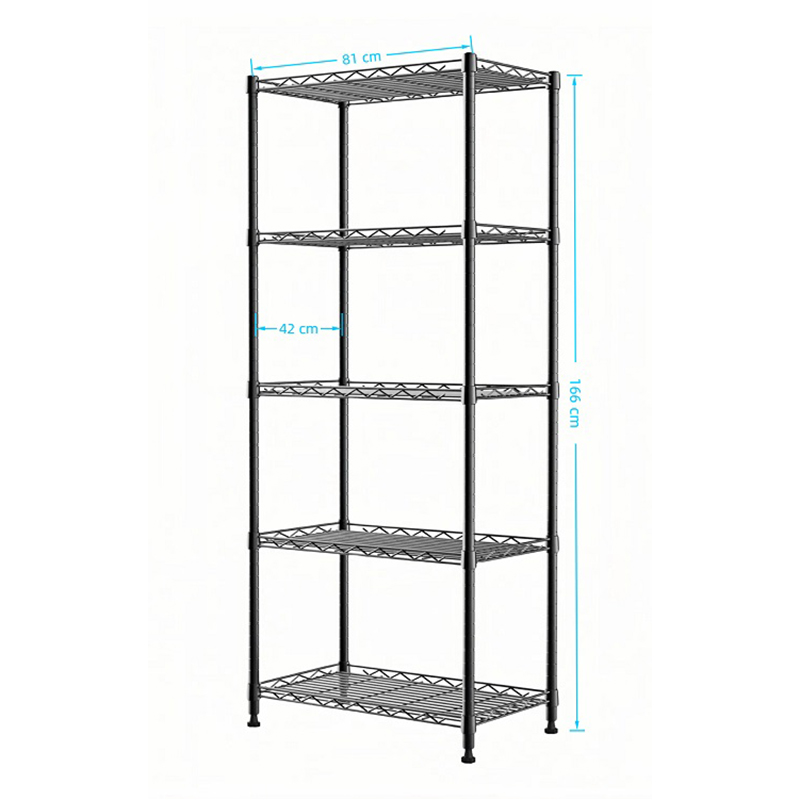
Before you begin the physical assembly, it is helpful to familiarize yourself with the components that typically make up a standard wire shelving kit. Most modular wire shelving systems are designed for tool-free assembly, relying on a clever friction-lock mechanism that becomes tighter as weight is applied to the shelves.
Common components included in your package are:
- Vertical Posts: These are the backbone of your unit, often threaded to allow for height extensions or the attachment of caster wheels. They feature grooves at regular intervals to indicate where the clips should be placed.
- Shelves: The main horizontal storage surfaces, featuring collars at each corner that fit over the tapered clips.
- Plastic Split-Sleeve Clips: These small, often two-piece components are critical. They snap onto the posts and hold the shelves in place.
- Leveling Feet or Casters: These attach to the bottom of the posts to provide a stable base or to enable mobility for your shelving unit.
- Shelf Liners: Optional accessories often used to create a solid surface on the wire grid.
- Side Ledges and Dividers: Additional components used to secure items or organize inventory on the shelf surface.
A successful assembly begins with proper preparation. Taking a few moments to organize your workspace will save you time and frustration later.
1. Assess Your Space: Before opening the boxes, measure the area where the shelving will be placed. Ensure the floor is level and solid. If you are placing the unit on a carpet or soft surface, consider using a stabilizing board.
2. Organize Your Components: Clear a clean, flat surface to lay out all your parts. Ensure you have the correct number of posts, shelves, and bags of clips.
3. Safety First: If you are assembling a large or tall unit, it is advisable to have a second person assist you, particularly when lifting the top shelves onto the posts.
4. Environment Check: For commercial or food-service environments, ensure that the shelving meets the required standards for cleanliness and weight capacity.
The base is the most critical part of your shelving unit, as it determines the overall stability of the entire structure.
Attaching Leveling Feet or Casters
If your unit is intended to be stationary, you will need to install the leveling feet. Screw these into the threaded inserts at the bottom of each vertical post. Ensure they are tightened securely. If your unit is designed to be mobile, swap these out for the caster wheels provided. Make sure the stem of the caster is pushed firmly into the post and tightened until secure.
Preparing the Posts
Identify the bottom section of your posts. Most systems use a two-part post structure for easy shipping. Do not attach the top extensions until the base and lower shelves are securely in place, as this will make maneuvering much easier.
Once the base is prepared, you can begin attaching the shelves to the posts.
Positioning the Split-Sleeve Clips
Choose the desired height for your bottom shelf. Snap the two halves of the plastic clips together around the groove on the post. You will feel them click into place. The tapered end of the clip must point upward—this is crucial, as the weight of the shelf locks the sleeve onto the post. Double-check that all four clips on the four posts are at the exact same height level. If they are misaligned, the shelf will wobble and be unsafe.
Attaching the Shelves
Slide the shelf over the top of the four posts. Gently push the shelf down until the collars at its corners firmly seat over the plastic clips. Once the shelf is positioned, press down firmly on the corners of the shelf to lock it into place. The downward force seats the collar onto the tapered clip, creating a rigid connection.
Repeat the process for the middle and top shelves. It is generally recommended to install the bottom shelf as low as possible to keep the center of gravity low and maximize stability. For very tall units, ensure you have at least three, preferably four, shelves installed to prevent the posts from flexing under load.
Once all desired shelves are in place, attach any upper pole extensions if your unit requires them. Screw these into the lower posts using the provided threaded connectors. Ensure these connections are tightened completely to prevent any bending at the junction.
When utilizing wire shelving in warehouse environments, you often need to maximize space. High-density configurations involve placing multiple units side-by-side. Ensure that the units are aligned perfectly. If necessary, use joining clips or brackets to secure adjacent units together to prevent shifting and ensure a clean, professional look in your aisles.
Understanding the structural limitations of your shelving is paramount for safety. Wire shelves are rated based on a uniformly distributed load. This means the weight must be spread evenly across the surface of the shelf. If you place a heavy object directly in the center of a long span, it may cause the wire deck to deflect or bow. For heavier items, always attempt to place them directly over the cross-braces of the shelf where the structure is strongest.
The longevity of your shelving depends significantly on the finish. For dry storage, powder-coated or chrome finishes are standard and offer a sleek, professional appearance. However, in environments with high humidity, such as walk-in freezers or coastal warehouses, you should prioritize epoxy-coated or stainless steel options. These finishes are specifically engineered to resist rust and corrosion, ensuring that the integrity of the unit remains intact over years of rigorous daily use.
Assembling a unit that exceeds six feet in height presents its own set of challenges. Stability becomes an issue before the final shelves are locked in. A useful technique for tall units is to install a shelf at the very bottom and another shelf exactly in the middle of the bottom post section before attaching the top post extensions. This "mid-point" shelf acts as a stabilizer, preventing the posts from swaying while you work on the upper levels.
For applications requiring mobility, casters are an excellent addition. However, adding casters effectively turns the shelving unit into a vehicle. It is important to ensure that the casters are appropriate for the floor surface. Hard-rubber wheels are generally better for smooth concrete, while softer, polyurethane wheels may be preferred for delicate flooring. Always remember to engage the wheel locks when the unit is in its intended storage location to prevent accidental movement.
After the main structure is built, perform a final inspection of your unit to ensure it is ready for use.
- Check for Leveling: If you are using stationary feet, use a bubble level on each shelf. Adjust the leveling bolts on the feet until the unit is perfectly vertical and stable on the floor.
- Verify Clip Placement: Ensure every shelf is firmly locked onto its respective set of clips. If a shelf seems loose, verify that the clips are properly snapped together and oriented correctly.
- Load Distribution: Always place your heaviest items on the bottom shelf. This lowers the center of gravity and significantly reduces the risk of the unit tipping over.
- Adhere to Weight Limits: Never exceed the manufacturer's specified weight capacity for either the individual shelves or the unit as a whole. Distribute the weight evenly across each shelf to avoid putting excessive stress on a single point.
While wire shelving is incredibly durable, a little maintenance goes a long way in ensuring its lifespan. Periodically check that the posts remain upright and that the leveling feet have not come loose due to vibrations. If you are using casters, keep them clean and, if necessary, lubricate them occasionally for smooth movement. Regularly inspect the shelves for any signs of damage, especially in high-traffic or industrial environments.
By adhering to these assembly and maintenance procedures, you guarantee a safe and highly efficient storage environment. At WAIGAOQIAO, we take pride in manufacturing quality components that, when assembled correctly, serve your business needs for many years.

Q: Do I need any special tools to assemble the wire shelving?
A: Generally, no. Most of our modular wire shelving systems are designed for completely tool-free assembly. The friction-lock design relies on the weight of the shelves to secure them to the clips. A rubber mallet is optional if you need to firmly tap a shelf into place.
Q: Can I customize the height of the shelves after they are assembled?
A: Yes, the system is fully adjustable. You can move the shelves to any height by removing them, repositioning the plastic split-sleeve clips at a different groove on the posts, and sliding the shelf back into place.
Q: Is it necessary to place heavy objects on the bottom shelf?
A: Yes, it is a crucial safety practice. Loading the bottom shelf with heavier items lowers the center of gravity of the entire shelving unit, which significantly increases stability and prevents the unit from becoming top-heavy and tipping.
Q: What should I do if my floor is uneven?
A: If you are using a stationary unit, each post is equipped with an adjustable leveling foot. You can screw these feet in or out to compensate for minor floor irregularities until the unit sits level and does not wobble.
Q: Can I add more shelves or accessories later?
A: Absolutely. One of the main advantages of modular wire shelving is its expandability. You can purchase additional shelf kits or accessories such as side ledges, dividers, or label holders and integrate them into your existing unit at any time.


