
Views: 220 Author: shelves-racks Publish Time: 2026-01-28 Origin: Site
Content Menu
>> Step 1: Planning Your Design
>> Step 3: Assembling the Base
>> Step 4: Building the Vertical Supports
>> Step 5: Attaching the Horizontal Bar
>> 1. What type of metal pipe is best for a clothes rack?
>> 2. How much weight can a metal pipe clothes rack hold?
>> 3. Can I paint the metal pipes?
>> 4. How do I prevent rust on my metal clothes rack?
>> 5. Is it difficult to disassemble the rack if I need to move it?
Building a clothes rack with metal pipes is a fantastic DIY project that combines functionality with a modern industrial aesthetic. This guide will walk you through the process step-by-step, ensuring you have all the information you need to create a sturdy and stylish clothes rack for your home.
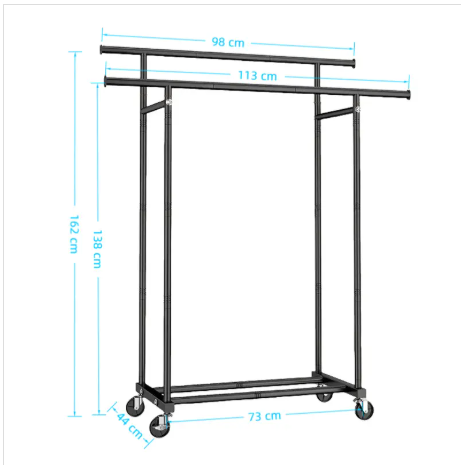
Metal pipes are an excellent choice for building a clothes rack for several reasons:
- Durability: Metal pipes are incredibly strong and can support a significant amount of weight, making them ideal for hanging clothes.
- Aesthetic Appeal: The industrial look of metal pipes adds a unique charm to any space, fitting well with various decor styles.
- Customizability: You can easily adjust the size and design of your rack to fit your specific needs and space.
Before you start building, gather the following materials:
- Metal Pipes: Choose galvanized steel or black iron pipes. Common sizes include 1/2 inch or 3/4 inch in diameter.
- Pipe Fittings: You will need various fittings such as tees, elbows, and flanges.
- Wooden Board: For the base, a sturdy wooden board can provide additional support and stability.
- Screws and Anchors: To secure the flanges to the wooden board.
- Tools: A pipe wrench, drill, measuring tape, and a saw (if you need to cut the pipes).
Before you start assembling, sketch out your design. Consider the height and width of the rack based on the space you have available. A typical height for a clothes rack is around 5 to 6 feet, but you can adjust this based on your needs.
If your pipes are not pre-cut, measure and cut them to the desired lengths. Common lengths for the vertical supports are around 5 feet, while the horizontal bar can be around 4 feet. Use a pipe cutter for a clean cut.
1. Attach the Flanges: Start by attaching flanges to the ends of the vertical pipes. These will serve as the feet of your rack.
2. Secure to the Wooden Board: Position the flanges on the wooden board and mark where you will drill holes. Use screws to secure the flanges to the board, ensuring they are tightly fastened.
1. Connect the Vertical Pipes: Attach the vertical pipes to the flanges. Ensure they are straight and secure.
2. Add Crossbars: Depending on your design, you may want to add crossbars for additional support. Use tees to connect horizontal pipes between the vertical supports.
1. Install the Horizontal Bar: Use elbows to connect the horizontal pipe to the top of the vertical supports. This is where you will hang your clothes.
2. Ensure Stability: Make sure all connections are tight. You can use a pipe wrench to secure the fittings further.
1. Check for Stability: Once assembled, check the stability of the rack. Make any necessary adjustments to ensure it stands firmly.
2. Finish the Wood: If desired, sand and finish the wooden board to match your decor. You can paint or stain it for a polished look.
- Use Quality Materials: Invest in good quality pipes and fittings to ensure your rack lasts.
- Customize Your Design: Feel free to modify the design to include shelves or additional hanging space.
- Safety First: Always wear safety gear when cutting and assembling pipes.
To keep your metal clothes rack looking great, periodically check for rust or wear. If you notice any rust, clean it off and consider applying a protective coating to prevent future corrosion.
Building a clothes rack with metal pipes is a rewarding project that enhances your space's functionality and style. With the right materials and a bit of effort, you can create a custom piece that meets your needs perfectly.

Galvanized steel is often recommended due to its durability and resistance to rust.
The weight capacity depends on the size and thickness of the pipes used, but a well-constructed rack can typically hold 100 pounds or more.
Yes, you can paint the pipes with a rust-resistant spray paint to match your decor.
Ensure the pipes are clean and dry before assembly, and consider applying a protective coating.
No, if you use threaded fittings, the rack can be easily disassembled and reassembled as needed.
Hot Tags: China, Global, OEM, private label, manufacturers, factory, suppliers, manufacturing company


