
Views: 220 Author: WAIGAOQIAO Publish Time: 2026-03-15 Origin: Site
Content Menu
● The Philosophy of Space-Efficient Merchandising
>> Understanding Verticality and Density
>> Balancing Density and Customer Flow
● Key Features of High-Efficiency Garment Stands
>> Tiered and Multi-Level Designs
>> Narrow-Profile and Slimline Frames
>> Nested and Collapsible Frameworks
● Strategic Placement and Layout Efficiency
● Durability as a Component of Space-Saving
In the competitive landscape of modern retail, every square inch of your floor space is a valuable asset. For brand owners, wholesalers, and retail producers, the efficiency with which merchandise is displayed directly correlates to the customer experience and, ultimately, the bottom line. As a leader in the manufacturing of high-performance garment racks, WAIGAOQIAO understands that the challenge is not just to display clothing, but to maximize the utility of every corner of your showroom. Space-saving commercial garment stands are the silent heroes of effective visual merchandising, providing the necessary density for inventory without compromising the aesthetics or the ease of movement that customers expect. This article explores the strategic criteria for selecting the best space-saving solutions, ensuring your retail environment remains both profitable and inviting.
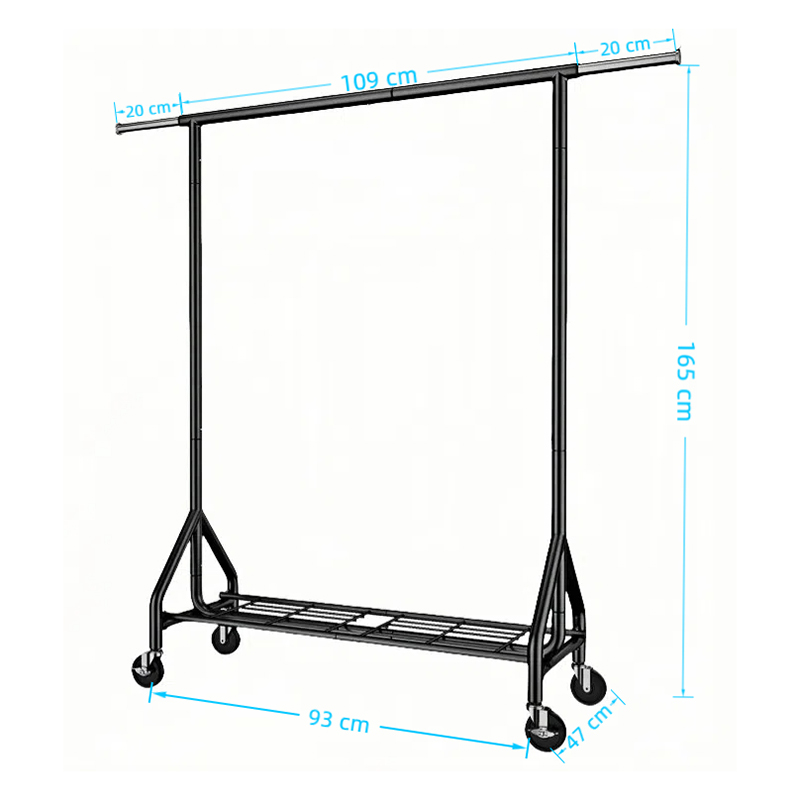
Space-saving is not merely about choosing the smallest rack; it is about selecting hardware that increases the yield of your floor space. When you invest in the right garment stands, you are essentially increasing the capacity of your store without having to increase your square footage or rent.
The most common mistake in retail design is failing to utilize vertical space effectively. Space-saving stands should be designed with a vertical focus, allowing you to stack or layer inventory in a way that remains accessible to the customer. When selecting a stand, evaluate its height-to-footprint ratio. A stand that occupies a small footprint but offers multi-level or telescoping height capacity effectively doubles or triples your display density. By elevating the garments, you draw the eye upward, making the store feel larger while keeping the floor path clear.
The ultimate goal of a space-saving strategy is to find the perfect equilibrium between inventory density and the customer journey. If a rack is too dense, it becomes difficult for shoppers to navigate the space, leading to a cluttered experience and lower satisfaction. The best space-saving stands are those that incorporate intelligent design features, such as slanted arms or tiered structures, which allow for a high volume of items to be displayed in a way that feels curated, not chaotic.
When evaluating potential commercial stands from a manufacturer, several design features indicate superior space-saving potential.
Tiered racks are perhaps the most effective tool in the space-saving arsenal. By utilizing two or more levels of hanging bars, these stands allow you to display twice as many garments on the same base footprint. This is particularly effective for shirts, sweaters, and blouses. When selecting a tiered stand, ensure that the height between the levels is adjustable. This allows you to customize the rack based on the specific type of inventory, ensuring that you are not wasting vertical space between the tiers.
Not all garment stands need to be bulky to be strong. Modern manufacturing techniques, such as those employed by WAIGAOQIAO, allow for the creation of incredibly strong stands using slimmer, high-tensile steel tubing. These slimline frames minimize the "visual noise" of the store, allowing the merchandise to take center stage. When space is at a premium, these smaller frames provide the structural integrity required for commercial use while occupying less physical space in the aisle.
For retailers who host seasonal pop-ups or participate in trade shows, nested and collapsible stands are invaluable. These racks can be folded or disassembled into a flat profile when not in use, making them easy to transport and store in back-of-house areas. The ability to reclaim your floor space during off-peak hours or for different event types is the pinnacle of efficient space management. When choosing these types of stands, prioritize systems with heavy-duty locking hinges and intuitive assembly mechanisms that can withstand the daily rigors of a commercial environment.

The hardware you choose is only as effective as its placement. Even the best space-saving garment stand can hinder your store if it is positioned incorrectly.
The perimeter of a retail space is often the most valuable real estate for volume. Wall-mounted systems, which can be considered an extreme form of space-saving "stands," are perfect for this. However, if your layout requires floor-standing units, placing slimline garment racks along the walls creates a perimeter display that leaves the center of the store open for focal-point displays or a clear flow of traffic. This creates a balanced environment that feels expansive.
Corners are notorious for becoming "dead zones" in retail stores. Many retailers make the mistake of leaving these areas empty or stuffing them with oversized displays that obstruct movement. Using specialized corner garment stands—often designed with an angled or curved frame—allows you to turn these awkward spaces into high-density display areas. These stands are specifically engineered to fit the 90-degree intersection of walls, making them a secret weapon for maximizing every square inch of your retail footprint.
It is a common misconception that smaller, space-saving racks are inherently less durable than their larger counterparts. On the contrary, if you are choosing high-quality, professional-grade equipment, the space-saving design should be an engineering feat that does not sacrifice strength.
At WAIGAOQIAO, we emphasize that space-saving stands must be built to the same industrial standards as heavy-duty warehouse racks. The use of high-carbon steel is critical here. Because these stands often have smaller footprints, they must be exceptionally stable to prevent tipping. The engineering must account for the center of gravity. A well-designed stand will have a base that is engineered for stability, even when the rack is fully loaded with heavy inventory like jackets or denim.
Space-saving stands in high-traffic stores endure a lot of wear. When selecting your fixtures, look for finishes that are resistant to chipping and scratching, such as high-durability epoxy powder coats. A fixture that looks clean and new requires less "visual space" in the store; a chipped, rusted, or battered rack looks cluttered and draws negative attention. Investing in quality ensures that your displays maintain their sleek, space-efficient appearance over years of use, ultimately providing a better return on your investment.
Choosing the right commercial garment stands is about aligning your hardware with your strategic goals. As a manufacturer, WAIGAOQIAO is dedicated to supporting your brand's growth by providing custom-engineered, space-saving solutions that are built to last. Whether you are outfitting a new boutique or optimizing a large department store chain, we understand the nuances of retail hardware. Our OEM services are designed to help you realize your vision, ensuring that every garment stand you purchase is an asset to your store's performance, profitability, and aesthetic appeal.
***
1. How can tiered garment racks improve my store's profitability?
Tiered racks allow you to display double the amount of inventory within the same floor footprint. By increasing your merchandise density, you expose customers to a wider range of products, which can lead to higher average transaction values and better sales performance.
2. Are space-saving garment stands less sturdy than larger, heavier racks?
Not if you select industrial-grade, commercial-quality equipment. Advanced manufacturing processes allow us to use high-tensile steel to build slim, space-efficient racks that are just as sturdy and stable as larger ones. Always look for professional-grade specifications rather than residential-grade alternatives.
3. What is the best way to utilize small or awkward spaces in my store?
Corners are perfect for specialized corner-fit garment stands. By using hardware specifically designed for the geometry of corners, you can transform a "dead zone" into a functional, high-density display area, freeing up your main aisles for better customer flow.
4. How do I maintain the stability of slim, space-saving garment racks?
Stability is a product of engineering and base design. When using slim racks, ensure they are placed on level flooring. If the rack is particularly tall or likely to be heavily loaded, consider units that offer a wider, low-profile base or, if possible, secure the unit to the floor or wall for absolute safety.
5. Are collapsible racks durable enough for long-term retail use?
Yes, provided you purchase commercial-grade collapsible stands. High-quality manufacturers use heavy-duty locking mechanisms and reinforced hinges that are tested for frequent assembly and disassembly. These units provide the same structural integrity as fixed-frame stands while offering the added benefit of flexible, on-demand storage.


