
Views: 220 Author: WAIGAOQIAO Publish Time: 2026-04-09 Origin: Site
Content Menu
● The Strategic Value of Vertical Storage
● Critical Engineering Factors for Tall Narrow Units
>> Assessing Stability and Balance
>> Material Gauge and Wire Thickness
● Selecting the Right Material for Your Environment
● Tailoring Storage to Your Specific Use Case
>> Adjustable Shelf Increments
>> Adding Specialized Accessories
● Maintenance and Safety Protocols
● Sourcing Quality: The WAIGAOQIAO Perspective
## Maximizing Vertical Real Estate: How to Choose Tall Narrow Wire Shelves for Optimal Storage
In the world of interior organization and commercial storage, space is the most valuable commodity. Whether you are managing a cramped apartment, a bustling professional kitchen, or an inventory-heavy warehouse, the ability to utilize vertical space effectively often determines the success of your storage strategy. Tall, narrow wire shelving units represent the ultimate solution for "dead space"—those awkward, slim corners that would otherwise remain empty and useless.
As a professional OEM provider in the wire shelving industry, WAIGAOQIAO recognizes that selecting the right dimensions and structural specifications for tall, narrow units is an engineering challenge. When a shelf is high and slim, stability becomes as critical as load capacity. This guide provides a professional roadmap for selecting the best tall narrow wire shelves, ensuring your choice is informed by structural integrity, material quality, and long-term utility.
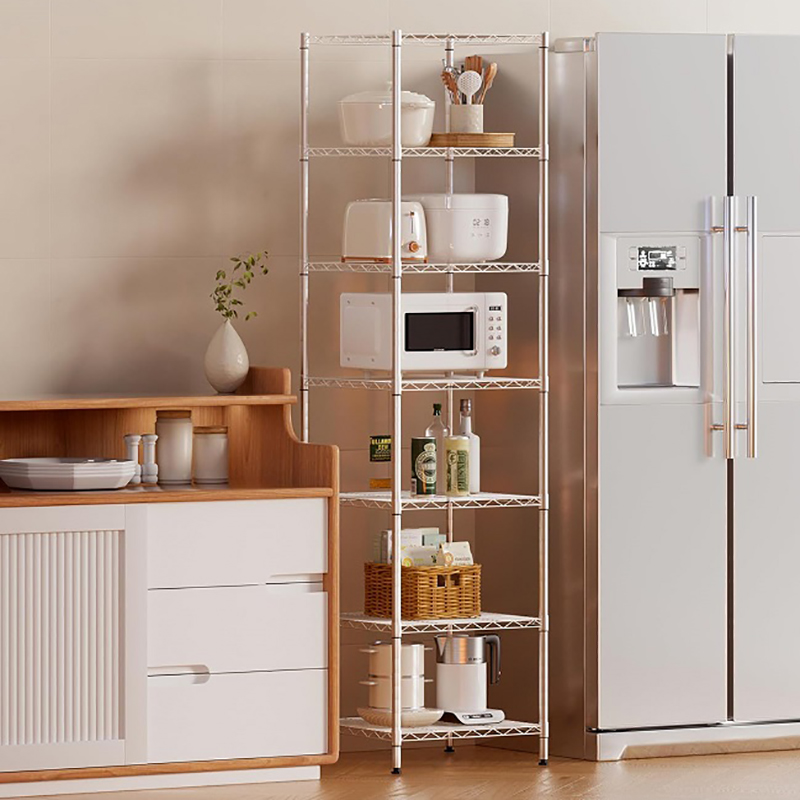
Before discussing the technical aspects of selection, it is vital to understand why narrow, vertical units are a cornerstone of modern storage. Traditional wide shelving often fails in modern architecture where floor footprints are minimized. By shifting the focus to height, you achieve three specific advantages:
* Footprint Optimization: You gain massive storage capacity without infringing on floor space or traffic flow.
* Accessibility: Narrow units often allow for "reach-in" access, making it easier to see and retrieve items compared to deep, cavernous shelves where things get lost in the back.
* Environmental Airflow: Because these units are typically made of wire, they provide natural circulation. In a tall, narrow configuration, this is particularly beneficial for preventing stagnation in corners that might otherwise become damp or dusty.
When you select a tall, narrow wire shelving unit, you are not just buying a storage rack; you are buying a piece of furniture that must be physically stable under load. Tall units have a higher center of gravity, which dictates that you must be more meticulous about your selection criteria.
The "Tall and Narrow" profile is inherently prone to tipping if not engineered correctly. Look for units that feature a wide base footprint or, more importantly, are designed to be secured to a wall. Even if a unit claims to be "freestanding," a professional-grade selection should always include wall-mounting brackets. If you are sourcing these for commercial clients, prioritize units that have heavy-duty, reinforced bases to counter the potential for instability.
In tall units, the vertical posts are the most stressed components. Because the unit is narrow, there is less lateral support between the posts. Therefore, the steel gauge used for both the posts and the wire mesh must be robust. Avoid thin-gauge wire that can deform under the weight of even medium-sized items. As a rule of thumb, the higher the unit, the thicker the support posts need to be to prevent "bowing" or bending.
For tall, narrow units, the decision to use wheels (casters) or stationary leveling feet is a major safety consideration. If the unit is extremely tall, casters can increase the risk of tipping. If you require mobility, ensure the casters are industrial-grade and feature locking mechanisms. If the unit is for permanent storage in a corner, stationary leveling feet are almost always the safer, more stable choice.
The environment in which your wire shelving will live dictates the required finish. At WAIGAOQIAO, we produce various finishes tailored to specific industrial and consumer needs. Choosing the wrong finish can lead to premature degradation, especially in narrow spaces where cleaning is more difficult.
This is the gold standard for dry environments. It provides a sleek, reflective finish that is highly resistant to scratches. It is excellent for retail displays, pantries, and office storage. It is not, however, recommended for damp environments like cold storage or laundry rooms.
Powder coating provides an extra layer of protection against moisture and chemicals. If your tall, narrow unit will be placed in a kitchen, a utility area, or an industrial workshop, a high-quality epoxy powder coat will significantly extend the lifespan of the steel by preventing oxidation.
For environments that require the highest standard of hygiene and corrosion resistance, such as professional kitchens, medical facilities, or outdoor areas, stainless steel is the only viable option. While more expensive, it is impervious to rust and is the most durable material for a tall, narrow storage rack.
Once you have determined the structural requirements, you must evaluate how the unit fits into your workflow. Tall, narrow shelves offer unique customization opportunities that you should leverage during the selection process.
The primary reason to choose a wire shelving unit is the ability to adjust shelf heights. For tall units, look for systems that offer incremental grooves (typically every inch). This allows you to create "tight" shelves for small items like spice jars or office supplies, and "tall" shelves for taller items like cleaning sprays, vases, or tall books. A system that limits your adjustment options defeats the purpose of choosing a tall, vertical unit.
A tall, narrow unit can quickly become disorganized if items are just stacked on top of each other. Look for units that support the addition of:
* Side Dividers: These prevent items from tipping over on narrow surfaces.
* Backing Panels: These keep items from falling off the back, which is a common hazard in tall, narrow shelving.
* Hanging Hooks: Utilize the sides of the unit to hang lighter items, further extending the storage utility of the rack without needing more shelf space.
When you select a tall unit, you are committing to a setup that requires periodic safety checks. Because of their vertical nature, these units are subjected to different physical stresses than wide, low-profile racks.
Always place the heaviest items on the lowest shelves. This lowers the center of gravity and significantly improves the stability of the unit. For tall, narrow shelves, this is not just a suggestion—it is a safety necessity. Avoid storing heavy objects on the top shelf, as this can make the unit top-heavy and dangerous to move or accidentally bump.
Over time, the vibrations from daily use can cause the connections between the posts and the shelves to loosen. Once or twice a year, perform a safety audit. Check the tightness of the shelf clips and ensure that the unit remains securely fastened to the wall. If you are using wheels, check that the casters are still firmly attached to the posts.
When sourcing wire shelving for a commercial brand or wholesale inventory, the "how-to" of selection is also about finding the right manufacturing partner. Tall, narrow shelving is highly susceptible to manufacturing defects if the welds are not precise. A slightly crooked post might not be noticeable on a short, wide shelf, but on a tall, narrow one, it can make the entire unit look unstable and unprofessional.
We prioritize high-precision manufacturing to ensure that all vertical posts are perfectly straight and that the wire grid is consistently tensioned. When selecting a supplier, ask for their quality assurance reports regarding their welding consistency and load-bearing test results. A supplier that stands behind their engineering will always provide the documentation required to ensure your tall shelving units are safe for the end-user.
Selecting the right tall, narrow wire shelving unit is a balance of physics and utility. By prioritizing structural stability, selecting the correct material for your environment, and ensuring that the unit is safely anchored, you can transform unused vertical space into a highly efficient storage powerhouse. Whether you are aiming to declutter a home office or maximize inventory space in a warehouse, the principles of choosing quality wire shelving remain the same: focus on the gauge of the steel, the precision of the shelf adjustments, and the commitment to safety. With a thoughtful selection process, your vertical storage will serve your organization for years to come.

Q: Is it absolutely necessary to anchor a tall, narrow shelf to the wall?
A: Yes, it is strongly advised. Because these units are narrow, they are susceptible to tipping if they are knocked or if heavy items are placed on the higher shelves. Securing the unit to the wall provides essential stability.
Q: How do I know if a unit is "heavy-duty" enough for my needs?
A: Look at the diameter of the posts and the thickness of the wire. High-quality heavy-duty units will have thicker steel posts. Always check the manufacturer's specified weight limit per shelf and the total weight limit for the entire unit.
Q: Can I use tall wire shelves in a bathroom or laundry area?
A: Yes, but you must choose the right finish. Powder-coated steel or stainless steel is necessary for these environments to prevent rust due to high humidity. Chrome plating is generally not recommended for areas with frequent exposure to moisture.
Q: What is the benefit of adjustable wire shelving versus fixed shelving?
A: Adjustable shelving allows you to maximize your vertical storage. You can move shelves to fit the specific heights of your items, ensuring that no space is wasted between the top of your items and the shelf above. Fixed shelving is often cheaper but lacks the versatility required for evolving storage needs.
Q: How should I clean my wire shelving unit?
A: Wire shelving is very easy to clean. Use a mild soap and water solution and a soft cloth or sponge. Avoid abrasive pads or harsh chemicals that can scratch the protective finish, as this could expose the underlying steel to potential oxidation.


