
Views: 220 Author: WAIGAOQIAO Publish Time: 2026-02-13 Origin: Site
Content Menu
● H3 Define Target Environments
● H3 Clarify Functional Requirements
● H3 Straight Rails (Single & Double)
● H3 Four-Way (Star) Racks and Multi-Arm Displays
● H3 Gondolas, Wall Systems, Slatwall and Gridwall
● H3 Tabletop and Tiered Shelves
● H3 Portable and Collapsible Racks
● H3 Common Materials and Trade-offs
● H3 Finishes and Surface Treatments
● H3 Load and Deflection Considerations
● H3 Base Footprint and Anti-Tip Measures
● H3 Joinery, Welding and Fasteners
● H3 Interchangeable Components
● H3 Standardization Across SKUs
● H3 Technical Capability and Experience
● H3 Request Documentation and Samples
● H3 Quality Management and Inspection
● H3 Lead Times and Production Capacity
● H3 Logistics and Packaging Capability
● H3 Initial Price vs Lifecycle Cost
● H3 Tooling and Minimum Order Quantities
● H3 Shipping and Installation Costs
● H3 Customs and Documentation
● H3 Visual Hierarchy and Assortment Planning
● H3 Spacing and Accessibility
● H3 Maintenance and Routine Inspections
● H3 Skipping Prototypes and Pilot Runs
● H3 Ignoring Packaging and Logistics
Choosing the right wholesale clothing racks is a strategic decision that affects merchandising, operational efficiency, and brand perception across retail stores, showrooms, and distribution centers. This guide explains how to evaluate rack types, materials, structural performance, finishes, packaging and shipping, OEM selection, quality control, and merchandising best practices so you can source the right fixtures for your business needs.
## Why Choosing the Right Wholesale Clothing Racks Matters
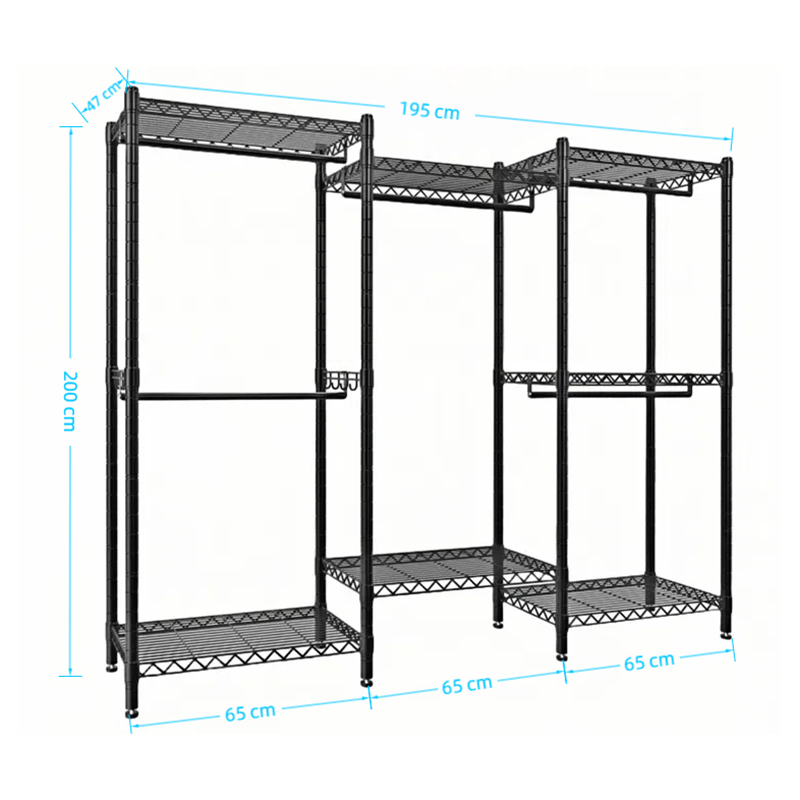
- Brand Presentation: Fixtures are part of the retail experience; the right racks support your visual identity and elevate perceived product value.
- Sales Performance: Well-chosen displays improve product visibility and accessibility, which can increase conversion rates and average order value.
- Operational Efficiency: Durable, modular racks reduce restocking time, simplify inventory management, and lower maintenance costs.
- Scalability: Standardized, OEM-manufactured racks make rollouts across multiple stores or markets predictable and cost-effective.
## H2 Understand Your Use Case and Requirements
- Retail Sales Floor: Prioritize aesthetics, finish consistency, and shopper ergonomics for premium presentation.
- Outlet or Discount Stores: Focus on heavy-duty, high-capacity racks that tolerate frequent handling and dense stocking.
- Trade Shows and Pop-Ups: Lightweight, collapsible, and fast-assembly racks are critical for rapid setup and transport.
- Backroom and Warehouse: Emphasize load capacity, space efficiency and durability rather than fine finishes.
- Capacity and Load Ratings: Determine expected garment densities per linear meter and specify load capacity per rail and per shelf.
- Adjustability: Identify whether height adjustment, removable shelves, or modular arms are required for assorted SKU lengths.
- Mobility and Locking: Decide if casters are needed and the required load-rating and locking mechanism for safety.
- Accessory Interfaces: Plan for sign holders, hooks, baskets, and lighting mounts if merchandising flexibility is needed.
- Assembly Constraints: Consider the installation environment and whether fixtures must be assembled in-store or delivered pre-assembled.
## H2 Types of Wholesale Clothing Racks and Where to Use Them
Straight rails are versatile for linear displays and backroom storage. Double-rail systems increase capacity within the same footprint and are suited to basics and high-turnover SKUs.
Four-way racks maximize face-out presentation in the center of the floor and are ideal for promotional or high-visibility assortments that benefit from a 360-degree viewing angle.
These modular systems attach to walls or gondola bays and accept hooks, shelves and accessories, offering a space-efficient way to combine hanging and folded displays.
Use these for folded items, accessories or curated outfit groupings; they pair well with hanging racks to provide a balanced shopping experience.
Designed for pop-ups and trade shows; choose lightweight aluminum or thin-gauge steel with quick-locking mechanisms and compact packing profiles.
## H2 Material and Finish Selection
- Steel: Provides strength and cost-efficiency and is widely used for heavy-duty commercial racks.
- Stainless Steel: Better corrosion resistance and a premium look but at higher material cost.
- Aluminum: Lightweight for mobile displays but typically lower maximum load than steel.
- Wood and Veneer: Premium retail aesthetic; requires protective finishes and careful packaging to avoid surface damage.
- Plastics and Composites: Suitable for caps, trays and connectors; choose UV- and wear-resistant grades where appropriate.
- Powder Coating: Durable, uniform finish that resists chipping and corrosion in retail conditions.
- Chrome or Nickel Plating: Gives a polished metallic look but requires quality preparation and plating thickness control.
- Laminates and Veneers: Provide wood-look aesthetics; choose high-grade laminates and sealed edges for longevity.
- Protective Films and Sealants: Useful for extra protection during shipping and handling.
A number of industry buyer guides emphasize material choice and finish durability as leading selection criteria for wholesale racks. [vdshowcase](https://vdshowcase.com/blog/choosing-best-wholesale-clothing-racks-for-your-store/)
## H2 Structural Design, Stability and Safety
Design rails, arms, and shelves for realistic densities rather than theoretical maximums; include a safety margin to avoid permanent bending or deformation.
Wider bases, weighted footplates, and wall anchors improve stability. For tall or top-heavy fixtures, include anti-tip brackets or specify required anchoring for safe use.
- Welded Joints: Offer permanent strength for heavy-duty fixtures.
- Threaded Fasteners: Enable modularity and field serviceability but require correct torque and locking hardware to prevent loosening.
- Tolerance Control: Specify tolerances for sliding or telescoping components to prevent wobble and ensure smooth adjustment.
Select casters rated for the expected load and with positive locking mechanisms; for fixtures that will be moved frequently, choose higher-grade wheels to avoid premature wear.
## H2 Modularity, Scalability and Future-Proofing
Choose systems that accept interchangeable hooks, shelves, and signage so merchandising teams can adapt displays without purchasing new fixtures.
Standard profiles and connector types reduce tooling costs and simplify spare parts inventory management across multi-store rollouts.
Design for repeatability: consistent sizes, finishes and packaging make large-scale rollouts more predictable and reduce costs per unit.
## H2 Prototyping, Sampling and Testing
Prototypes validate fit, finish, assembly time, and load behavior before full production, preventing expensive rework after a large order is placed.
- Visual Sample: Confirms color and finish.
- Functional Sample: Full assembly tested for load, mobility and ergonomics.
- Pilot Batch: Small production run that validates manufacturing stability and packaging for shipment.
- Static Load Tests: Verify structural performance under expected loads.
- Cycle Tests: Simulate repeated use on moving elements like casters and telescoping posts.
- Surface Durability Tests: Check for chipping, abrasion and color fastness under simulated retail wear.
Industry sources recommend prototyping and pilot batches as standard practice before committing to large wholesale orders. [alibaba](https://www.alibaba.com/product-insights/how-to-choose-custom-clothing-racks-a-complete-buyer-s-guide.html)
## H2 OEM Selection: What to Ask and Inspect
Confirm that the OEM has experience producing commercial fixtures similar in scale and finish to your requirements and access to appropriate finishing lines.
Ask for material certificates, finish samples, technical drawings, and photos of previous projects to verify quality and consistency.
Inspect the OEM's quality control processes, inquire about inline inspections, mid-run audits, and pre-shipment checks, and request photographic evidence or third-party inspection if needed.
Verify tooling lead times, batch production capacity, and whether the OEM can handle staggered deliveries or rush orders for seasonal promotions.
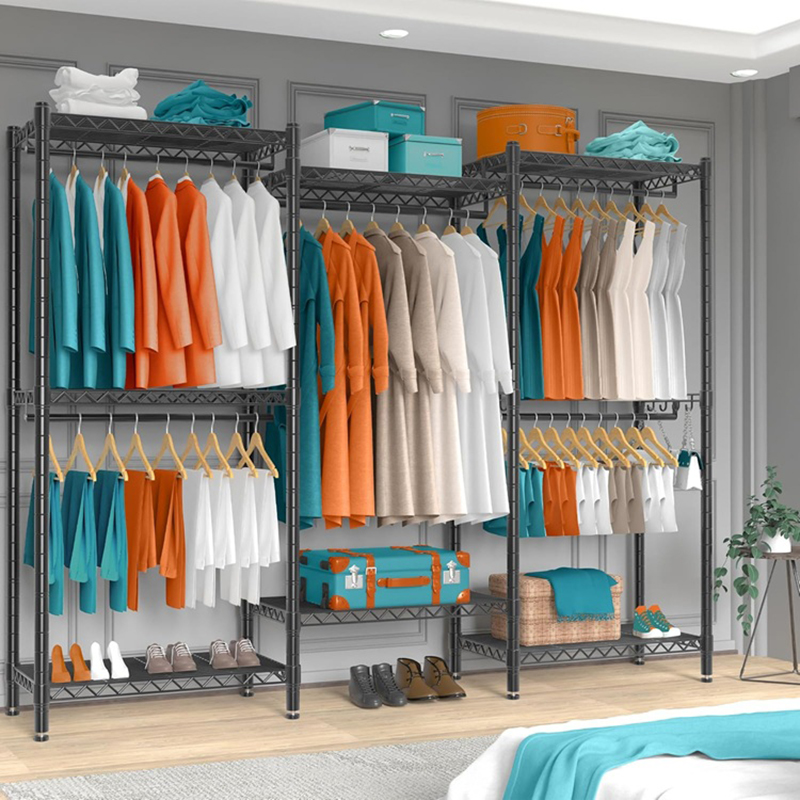
Confirm the supplier's packaging approach for sea freight protection, container optimization, and inclusion of assembly instructions and spare parts kits.
## H2 Cost Considerations and Total Cost of Ownership
Factor in durability, maintenance, and replacement rates when comparing unit prices. Lower upfront cost can lead to higher lifetime expenses if racks fail early or damage product finishes.
Custom profiles or bespoke finishes may require tooling and higher minimum orders; evaluate amortized tooling costs across projected future volumes.
Heavy, bulky fixtures increase freight and on-site assembly costs; design with container packing and partial factory assembly in mind to reduce landed costs.
## H2 Packaging and International Shipping Best Practices
Use edge protectors, protective films, and appropriate dunnage to prevent scratching and deformation during multimodal transit.
Design packing schemes to maximize units per container while ensuring adequate protection for finished surfaces, particularly for veneered or painted parts.
Prepare complete export documentation, HS codes, and any country-specific compliance or labeling requirements to avoid clearance delays.
## H2 Merchandising Best Practices for Clothing Racks
Place high-margin and trend items at eye level; group outfits to encourage cross-sell; balance face-out displays for attention with back-of-hanger replenishment for capacity.
Avoid overloading rails; breathable spacing enhances product visibility and reduces customer friction while browsing.
Implement regular checks for moving parts, fasteners, and finish wear; a preventative maintenance schedule extends rack life and preserves brand presentation.
## H2 Common Mistakes to Avoid
Selecting the lowest-cost supplier often results in higher replacement and maintenance costs or inconsistent finish quality across batches.
Large rollouts without pilot testing risk widespread defects that are costly to correct at scale.
Insufficient packaging leads to surface damage and returns; packaging should be considered part of product design for wholesale orders.
Excessive customization before validating merchandising concepts can increase lead times and complicate reorders; aim for a balance between signature elements and modular standard parts.
## H2 Implementation Roadmap: Step-by-Step
1. Define use cases, environments and merch goals.
2. Create a detailed technical specification (dimensions, loads, material, finishes).
3. Shortlist capable OEMs and request quotes and references.
4. Order visual and functional samples and run tests.
5. Approve pilot batch; validate packaging and documentation.
6. Finalize QC checkpoints and pre-shipment inspection plans.
7. Place serial production order with agreed lead times and logistics.
8. Execute phased rollout, maintain spare-part inventory and gather field feedback.
9. Iterate product revisions based on store performance and service data.
## H2 Frequently Asked Questions
Q1: What material should I choose for wholesale clothing racks intended for high-traffic stores?
A1: For high-traffic stores, powder-coated steel or chrome-finished steel is commonly chosen for its strength and durability; consider stainless components in humid or coastal environments.
Q2: How important is a pilot batch before full production?
A2: A pilot batch is highly recommended to validate manufacturing consistency, packaging protection and functional performance under real-world conditions.
Q3: What is a safe design practice to prevent racks from tipping?
A3: Use wide bases, weighted footplates or wall anchors for tall units, and include anti-tip brackets in specifications when necessary.
Q4: Should I ask an OEM for material certificates?
A4: Yes; request material certificates and finish specifications to verify that the supplied materials meet your structural and corrosion resistance requirements.
Q5: How can I reduce shipping damage for finished racks?
A5: Use protective films, edge guards, internal dunnage, and optimized container packing to prevent movement and abrasion during transit.
Q6: What spare parts should I plan to keep on hand?
A6: Keep common wear items such as casters, end caps, connectors, spare rails and a small toolkit to support quick in-store repairs.
## Conclusion
Choosing wholesale clothing racks is a multidisciplinary process that blends merchandising strategy, structural engineering, material science, logistics planning and supplier management. A rigorous specification, iterative prototyping, thorough quality control, and an experienced OEM partner are the cornerstones of a successful fixture program that supports brand presentation, improves sales performance, and minimizes total cost of ownership.


