
Views: 220 Author: WAIGAOQIAO Publish Time: 2026-03-17 Origin: Site
Content Menu
● Understanding the Necessity of Heavy Duty Infrastructure
● Critical Factors to Evaluate When Selecting Racks
>> Material Composition and Structural Integrity
>> Load Capacity and Weight Distribution
>> Mobility and Caster Quality
>> Versatility and Modular Adjustability
● Aligning Rack Selection with Business Goals
>> Enhancing Visual Merchandising
>> Optimizing Floor Plans and Traffic Flow
>> Long-Term ROI and Maintenance
In the fast-paced world of retail, fashion logistics, and apparel management, the infrastructure supporting your inventory is just as critical as the inventory itself. For businesses seeking to optimize their storage, display, and workflow, the choice of equipment is paramount. Heavy duty clothes racks are not merely functional metal structures; they are the backbone of a professional retail environment, a high-volume warehouse, or a busy fashion showroom. Selecting the right equipment requires a strategic understanding of materials, design, capacity, and the specific operational needs of your business. As experts in the garment rack industry, WAIGAOQIAO provides this guide to assist brand owners, wholesalers, and manufacturers in making informed investment decisions.
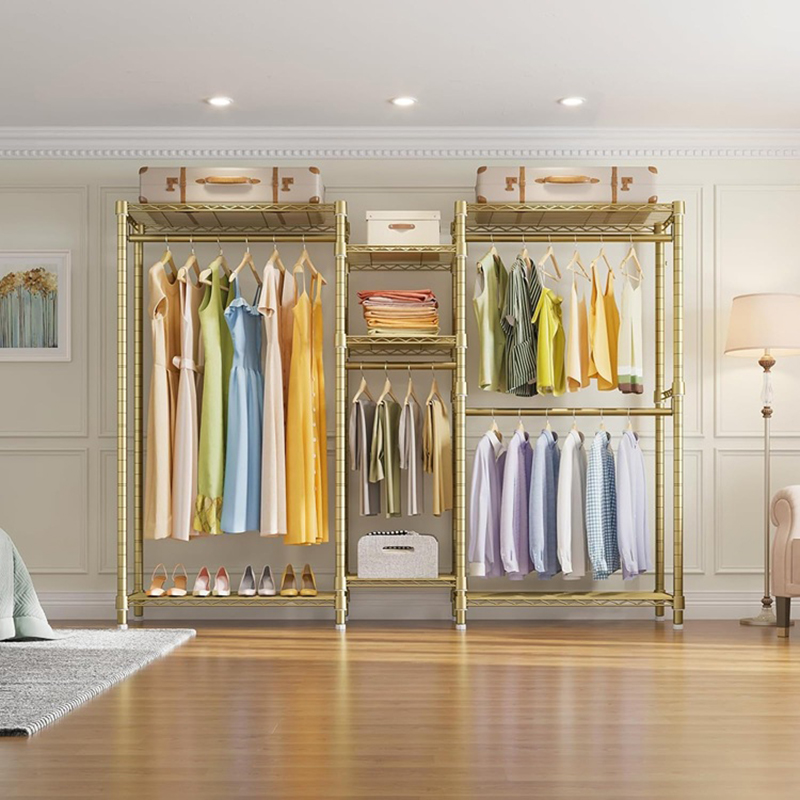
The distinction between standard residential clothing storage and commercial-grade heavy duty racks is fundamental. While home storage solutions are designed for light, occasional use, commercial environments demand fixtures that can withstand continuous, high-intensity operation. When you are managing inventory for a retail brand or a large-scale apparel supplier, your racks will be subjected to constant loading, unloading, and frequent movement.
Investing in heavy duty racks is a non-negotiable step for any serious retail operation. These robust solutions protect your valuable inventory from damage, safeguard your employees and customers from potential accidents, and ensure that your merchandise is always presented in the best possible light. By utilizing superior materials and engineering, heavy duty racks offer the longevity and reliability that lightweight alternatives simply cannot provide.
When evaluating the vast market of garment racks, it is easy to become overwhelmed by options. To simplify the decision-making process, we recommend focusing on these four pillars of quality.
The durability of a clothing rack begins with the materials from which it is constructed. For commercial applications, steel is the industry standard. High-quality steel tubing provides the necessary rigidity to support significant weight without bending, twisting, or collapsing over time. Beyond the raw material, consider the finish. High-quality powder coating or chrome plating does more than enhance aesthetics; it acts as a protective barrier against corrosion, scratches, and wear, ensuring that your racks maintain their professional appearance even in demanding high-traffic areas.
Before finalizing any purchase, you must have a realistic assessment of your apparel needs. Heavy duty, by definition, must mean high load capacity. Evaluate the maximum weight the rack is intended to support. This includes not just the garments, but also the weight of hangers and any additional fixtures such as signage or storage baskets. Ensure that the structure is engineered to distribute this weight evenly. Wide-based or weighted racks are inherently more stable and less likely to tip over, which is a critical safety consideration when racks are fully loaded with heavy items like winter coats or bulk inventory.
For many businesses, the ability to reorganize a floor space or move inventory between storage and the showroom is essential. If mobility is a requirement, the quality of the casters—the wheels—is the most overlooked component. Inferior wheels will fail quickly under heavy loads, causing drag, floor damage, and frustration. Look for heavy duty racks equipped with high-quality rubber or polyurethane casters. These materials provide a smooth, silent glide and are designed to handle significant weight without deforming, ensuring that your racks remain easy to maneuver throughout their lifespan.
Retail environments are dynamic. The ability to adjust your fixtures to accommodate different clothing styles, lengths, or seasonal collections is a significant advantage. Look for racks that offer height and width adjustments. This flexibility allows you to seamlessly transition from displaying long dresses or coats to shorter tops and accessories. Furthermore, modular systems—racks that can be easily expanded or connected—allow your infrastructure to grow alongside your business, providing a scalable solution that protects your initial investment.
Your choice of clothing racks should be directly aligned with your brand's personality and the specific type of collection you are displaying.
Clothing racks should do more than simply hold apparel; they should organize your space, define your brand, and shape the customer experience. For a high-end boutique, aesthetics are paramount. Sleek, minimalist designs in matte black or brushed metal can convey sophistication. Conversely, for a warehouse or a bustling discount retail environment, the focus might shift entirely toward maximum density and rapid accessibility. Consider grouping clothing by color, style, or theme to create a visually appealing experience that encourages browsing and simplifies the customer's decision-making process.
The layout of your clothing racks significantly influences how customers move through your store. Poorly placed or overly bulky fixtures can create bottlenecks, while strategic placement can guide customers through your entire collection. Remember to plan for negative space. It is easy to fill every available square foot with racks, but providing enough space for customers to move freely and view merchandise comfortably is essential for maximizing sales.
While the upfront cost is a factor, it should not be the sole determinant. A cheaper, low-quality rack that needs to be replaced every year is far more expensive than a robust, heavy duty rack that provides a decade of reliable service. When working with an OEM partner like WAIGAOQIAO, you have the opportunity to customize materials, colors, and specific design features to match your exact requirements. This level of customization ensures that you are not paying for unnecessary features while guaranteeing that your racks are perfectly optimized for your specific operational workflow.
Selecting the right heavy duty clothes racks is a foundational decision that impacts everything from inventory protection and staff efficiency to brand perception and sales performance. By prioritizing structural integrity, weight capacity, quality mobility, and modular versatility, you can build a retail or storage environment that supports growth and operational excellence. Whether you are outfitting a flagship retail location or upgrading your distribution warehouse, the right infrastructure is an investment in the long-term success of your business. Partnering with a dedicated OEM provider allows you to secure high-performance equipment tailored precisely to your unique needs, ensuring that your display and storage systems are as dynamic and professional as the brands you represent.

1. What is the main difference between residential and commercial heavy duty clothes racks?
Commercial racks are engineered for high-intensity, continuous use, utilizing superior materials like heavy-gauge steel and robust casters to support significantly higher weight loads without compromising stability, whereas residential racks are designed for lighter, infrequent domestic use.
2. Why is the quality of casters so important for heavy duty racks?
Inferior casters will fail under heavy, consistent loads, leading to difficult maneuvering, floor damage, and potential safety risks; high-quality rubber or polyurethane casters ensure smooth, durable mobility even when the rack is fully loaded.
3. How do I determine the load capacity I need for my inventory?
You should calculate the total estimated weight of your projected inventory, including the weight of the garments, the hangers themselves, and any signage or accessories, then select a rack that exceeds this total weight capacity to ensure long-term structural safety.
4. Can I customize the racks for my brand's specific retail environment?
Yes, by working with an OEM manufacturer like WAIGAOQIAO, you can customize materials, finishes, dimensions, and modular features to ensure the racks not only meet your functional requirements but also align perfectly with your brand's aesthetic and store layout.
5. How can I optimize my store layout using different types of racks?
Use varied rack heights to create visual interest, utilize modular racks that can be reconfigured for different seasonal collections, and ensure you maintain sufficient negative space to allow for easy customer traffic and comfortable viewing of your merchandise.


