
Views: 220 Author: WAIGAOQIAO Publish Time: 2026-03-29 Origin: Site
Content Menu
● Introduction: The Backbone of Commercial Organization
● The Anatomy of a Commercial Wire Shelving System
>> Mobility vs. Stability: Feet and Casters
● Planning for Performance: Load Capacity and Layout
>> Calculating Static and Dynamic Loads
● Material Science and Surface Treatments
>> Carbon Steel and Chrome Plating
>> Zinc Plating with Clear Coat
>> Stainless Steel for Extreme Conditions
● Step-by-Step Assembly for Maximum Strength
>> Step 1: Establishing the Base
>> Step 2: Seating the First Shelf
>> Step 3: Sequential Vertical Building
>> Step 4: The Final Tightening
● Enhancing Commercial Functionality with Accessories
>> Branding and Signage Holders
>> Integrated Lighting Solutions
● Safety Standards and Compliance
● The WAIGAOQIAO OEM Advantage: Engineering Your Vision
● Maintenance and Long-Term Care
● Conclusion: A Foundation for Success
In the fast-paced world of retail, hospitality, and industrial warehousing, the efficiency of a space is often determined by the quality of its storage and display systems. Wire shelving has long been recognized as the gold standard for versatility, durability, and cleanliness. However, when transitioning from simple residential storage to high-traffic commercial displays, the requirements change significantly. This is where the concept of "heavy-duty" becomes paramount.
For a global OEM leader like WAIGAOQIAO, building heavy-duty wire shelves is not just about welding metal together; it is an engineering discipline that balances structural integrity with aesthetic appeal. Commercial displays must not only support hundreds of kilograms of inventory but also present products in a way that attracts customers and facilitates easy access. This comprehensive guide will explore every facet of constructing these systems, from material science and load-bearing design to the nuances of professional assembly and customization.
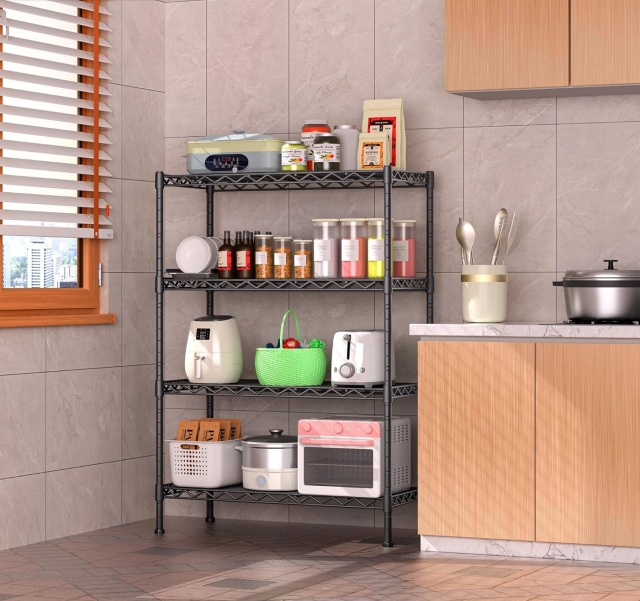
Before one can build an effective heavy-duty display, it is essential to understand the individual components that make up the system. A professional-grade wire shelf is a marvel of modular engineering, designed to be assembled without complex tools while maintaining immense strength.
The shelf itself, or the deck, is the most critical component. In commercial applications, the "gauge" or thickness of the wire determines its strength. Heavy-duty shelves typically utilize a combination of thick perimeter wires and a dense network of cross-wires. The "serpentine" or "zigzag" truss design underneath the shelf is what provides the primary support, preventing the center from bowing under heavy loads.
The vertical supports, known as posts, are usually made from high-tensile steel tubing. These posts feature circular grooves at one-inch intervals. These grooves allow for total flexibility in shelf height, which is essential for commercial displays where product sizes may change seasonally. For heavy-duty use, the wall thickness of these posts is significantly higher than that of consumer-grade alternatives.
Often overlooked, the split sleeves (or clips) are the "locks" that hold the shelves in place. Made from high-impact resin, these sleeves snap onto the post grooves. The weight of the shelf itself creates a wedge effect, pushing the sleeve tighter against the post. In a commercial environment, the precision of these sleeves ensures that the shelf remains level and secure even when subjected to vibration or impact.
A commercial shelf must either stand perfectly level or move effortlessly. Leveling feet are essential for uneven warehouse floors, while heavy-duty polyurethane casters (wheels) allow a display to be moved for cleaning or floor reconfiguration. For heavy-duty builds, casters must include integrated brakes and be rated for the total weight capacity of the entire unit.
Building a commercial display starts long before the first post is standing. It begins with a rigorous planning phase that accounts for the physical realities of the commercial environment.
There is a fundamental difference between a shelf that stands still (static load) and one that is moved on wheels (dynamic load). A standard heavy-duty wire shelf from WAIGAOQIAO might be rated for 300kg to 400kg per level when stationary. However, once casters are added, the total capacity of the unit is often limited by the weight rating of the wheels. Planning for these limits prevents structural failure and ensures employee safety.
In commercial real estate, every square inch of floor space is valuable. The goal of a heavy-duty display should be to go vertical. However, safety is a concern. As a shelf gets taller, its center of gravity rises. Professionals often recommend placing the heaviest items on the bottom shelf to create a "ballast" effect, ensuring the unit remains stable even if it is accidentally bumped by a cart or a customer.
Where will the shelf live? A display in a dry retail showroom has different needs than one in a walk-in freezer or a high-humidity greenhouse. This assessment dictates the material and finish selection, which are the next critical steps in the build process.
As an OEM specialist, WAIGAOQIAO understands that the finish of a wire shelf is its first line of defense against the environment and its primary contribution to the "look" of a commercial brand.
Chrome-plated carbon steel is the most popular choice for dry storage and retail displays. The electroplating process results in a high-gloss, mirror-like finish that reflects light and makes products "pop." While beautiful, chrome is best suited for low-moisture environments.
Zinc is often used as a more cost-effective alternative to chrome. While it has a slightly duller appearance, it provides excellent basic corrosion resistance. In many industrial settings, zinc-plated shelves are a staple due to their ruggedness and utility.
For high-moisture or "wet" environments like commercial kitchens or garden centers, epoxy-coated shelves are mandatory. These coatings are typically applied over a zinc-prepped base. The epoxy layer is a thick, baked-on plastic that creates a waterproof seal. These are available in various colors, with black and silver-grey being the most common for modern commercial displays.
When hygiene and rust prevention are the absolute priorities—such as in pharmaceutical labs or high-end seafood markets—304-grade stainless steel is the only option. While the most expensive, stainless steel wire shelving is virtually indestructible and can be sanitized with harsh chemicals without losing its integrity.
How you assemble a shelf is just as important as the materials you use. Following a professional protocol ensures that the structure is square, stable, and ready for work.
Start by identifying the bottom of your four posts. Thread your leveling feet or insert your casters firmly. If using casters, ensure they are hammered all the way into the post to prevent wobbling. Snap the first set of split sleeves onto the lowest desired groove on all four posts.
Slide the first shelf deck over the tops of the posts and lower it onto the split sleeves. It is helpful to have a second person for this to keep the posts upright. Once the shelf is resting on the sleeves, use a rubber mallet to tap the corners of the shelf down. You should hear a solid "thud" which indicates the shelf is wedged firmly.
Work your way up, adding one shelf at a time. By building from the bottom up, you maintain the stability of the unit throughout the process. Ensure that you count the grooves accurately so each shelf is perfectly level. In commercial displays, a shelf that is even one groove off-center will look unprofessional and can cause rolling items to fall.
Once all shelves are in place, go back to the bottom and work your way up with the rubber mallet one last time. A heavy-duty shelf relies on tension. If there is any "play" or movement in the shelf corners, the unit is not yet at its full weight-bearing capacity.
A raw wire shelf is just the beginning. To truly build a commercial *display*, you must add functional accessories that solve specific retail challenges.
Wire shelves are "open-grid," which is great for airflow but bad for small items or thin-heeled shoes. Adding clear or colored polypropylene liners creates a solid surface while maintaining the structural benefits of the wire frame.
In a busy retail environment, products get pushed around. Vertical dividers keep inventory organized, while perimeter ledges prevent items from sliding off the back or sides of the display. These are essential for safety when the shelves are used in high-traffic customer areas.
As an OEM partner, WAIGAOQIAO often integrates custom branding into the build. This can include snap-on label holders for pricing or even custom-stamped logo plates that attach to the shelf perimeter. A heavy-duty shelf becomes a marketing tool when it clearly communicates product information and brand identity.
Because wire shelves are open, they are perfect for integrated LED strip lighting. Running wires along the posts and under the shelf trusses can transform a dark storage unit into a high-end glowing display that draws the customer's eye.
Building for the commercial sector means adhering to strict safety standards. Ignorance of these standards can lead to liability issues for brand owners.
The National Sanitation Foundation (NSF) sets the standard for food safety and cleanability. Any wire shelf used in a commercial kitchen or food display should be NSF-certified. This certification ensures that the welds are smooth (leaving no place for bacteria to hide) and that the materials are non-toxic.
For very tall or narrow displays, it is a professional best practice to use wall-anchor kits. Even a heavy-duty shelf can be pulled over if a child climbs on it or if it is heavily loaded on the top. Safety straps or "clamshell" wall brackets are small additions that provide immense peace of mind.
Always instruct users on the "Heavy-to-Light" rule. The heaviest items must occupy the bottom half of the unit. This lowered center of gravity is the most effective way to prevent tipping and structural fatigue over years of use.
When a brand chooses to partner with a specialist like WAIGAOQIAO, they are gaining access to decades of manufacturing expertise. OEM manufacturing is more than just making a product to a specification; it is about optimizing that product for the global market.
* Precision Manufacturing: Our factories use automated welding robots to ensure that every joint in a heavy-duty shelf is identical. This consistency is what allows our shelves to meet the rigorous weight ratings required by commercial users.
* Customization at Scale: Whether it is a unique shelf size, a proprietary epoxy color, or a specific post thickness, we work with our partners to create a product that stands out in a crowded marketplace.
* Logistics and Packaging: Heavy-duty wire shelves are bulky. We have perfected the "flat-pack" method, ensuring that components are protected during sea freight while minimizing shipping volume to reduce costs for our clients.
* Sustainability: We are committed to responsible manufacturing, utilizing recyclable steel and eco-friendly coating processes that meet international environmental standards.
Even the most rugged heavy-duty shelf requires maintenance to ensure a long service life in a commercial environment.
1. Regular Cleaning Protocols
Dust can accumulate on wire surfaces, which can eventually lead to pitting even on plated surfaces. A simple wipe-down with a damp cloth and mild detergent is usually all that is needed. For stainless steel, specialized cleaners can maintain the luster.
2. Joint Inspection
In a high-vibration environment (like a warehouse with forklifts or a retail store near a subway line), it is wise to check the "seat" of the shelves once a year. A quick tap with a mallet ensures the wedge lock remains tight.
3. Finish Inspection
If a shelf is scratched down to the bare metal, it should be touched up immediately to prevent rust from spreading under the coating. For epoxy shelves, touch-up kits are available in matching colors.
Building heavy-duty wire shelves for commercial display is a blend of practical assembly and strategic engineering. By understanding the importance of wire gauge, the science of surface finishes, and the necessity of proper load distribution, businesses can create organizational systems that are as beautiful as they are strong.
For companies looking to bring high-quality wire shelving to the international market, the choice of a manufacturing partner is the most important decision. At WAIGAOQIAO, we don't just provide shelves; we provide the foundation upon which commercial success is built. From the initial design phase to the final quality check, our focus is on delivering a product that exceeds the expectations of the most demanding commercial environments. When you build with quality, you build for the future.
1. What is the maximum weight a heavy-duty wire shelf can actually hold?
For a standard 122cm x 45cm heavy-duty shelf from a professional manufacturer like WAIGAOQIAO, the weight capacity is typically between 300kg and 450kg of evenly distributed static load per shelf. However, the total capacity of a four-shelf unit is often capped at around 900kg to 1200kg depending on the posts and the floor surface.
2. Can I use casters on a shelf that will hold very heavy equipment?
Yes, but you must use industrial-grade polyurethane casters. Standard plastic wheels will crack or flatten under high pressure. When using wheels, remember that the total capacity of the entire unit is limited to the capacity of the wheels (usually 300kg to 500kg total for the set of four).
3. Why do some wire shelves turn green or start to peel?
This is usually a sign of using a chrome-plated shelf in a high-humidity environment. Chrome is a "dry-environment" finish. For kitchens, walk-in coolers, or outdoor displays, you should always specify epoxy-coated or stainless steel shelves to prevent oxidation and peeling.
4. How do I know if my wire shelf is "commercial grade" or just "retail consumer grade"?
Look at the wire density and the thickness of the posts. Commercial-grade shelves have more cross-wires (smaller gaps) and use thicker steel (usually 1.0mm to 1.2mm wall thickness for posts). Consumer-grade shelves often feel "springy" or light, whereas commercial shelves feel rigid and heavy.
5. Is it possible to add more shelves to an existing unit later on?
Absolutely. One of the best features of the WAIGAOQIAO wire shelving system is its modularity. You can add extra shelves at any time by simply snapping on new split sleeves and sliding the shelf over the top of the posts. This makes the system incredibly future-proof for growing businesses.


