
Views: 220 Author: WAIGAOQIAO Publish Time: 2026-01-21 Origin: Site
Content Menu
● Understanding Garment Stands
>> Benefits of Using Garment Stands
● Key Features to Consider When Creating a Garment Stand
>> Mobility
● Step-by-Step Guide to Creating a Garment Stand
>> Step 1: Define Your Purpose
>> Step 5: Attach Shelves or Rods
>> Step 6: Add Finishing Touches
● Tips for Maximizing the Impact of Your Garment Stand
In the world of retail, presentation is key. A well-designed garment stand can significantly enhance the visibility of your products, attract customers, and ultimately drive sales. Whether you are setting up a boutique, a pop-up shop, or a trade show display, understanding how to create an effective garment stand is essential. In this article, we will explore the various aspects of designing and constructing a garment stand for commercial display, including materials, design considerations, and tips for maximizing impact.

A garment stand is a display fixture used to showcase clothing items in a retail environment. These stands can take various forms, including freestanding racks, wall-mounted displays, and portable options. The primary purpose of a garment stand is to present clothing in an organized and visually appealing manner, making it easy for customers to browse and select items.
1. Enhanced Visibility: Garment stands allow for better visibility of clothing items, making it easier for customers to see and access products. This visibility can lead to increased interest and sales.
2. Space Optimization: A well-designed garment stand can maximize the use of available space, allowing retailers to display more items without overcrowding the area. This optimization is particularly important in smaller retail environments.
3. Versatility: Garment stands can be used for various types of clothing, from casual wear to formal attire. Their adaptability makes them suitable for different retail settings and merchandising strategies.
4. Improved Organization: By providing designated spaces for different clothing items, garment stands help keep products organized. This organization can reduce clutter and enhance the overall shopping experience.
5. Aesthetic Appeal: A stylish garment stand can enhance the visual appeal of a retail space, contributing to the overall branding and atmosphere of the store.
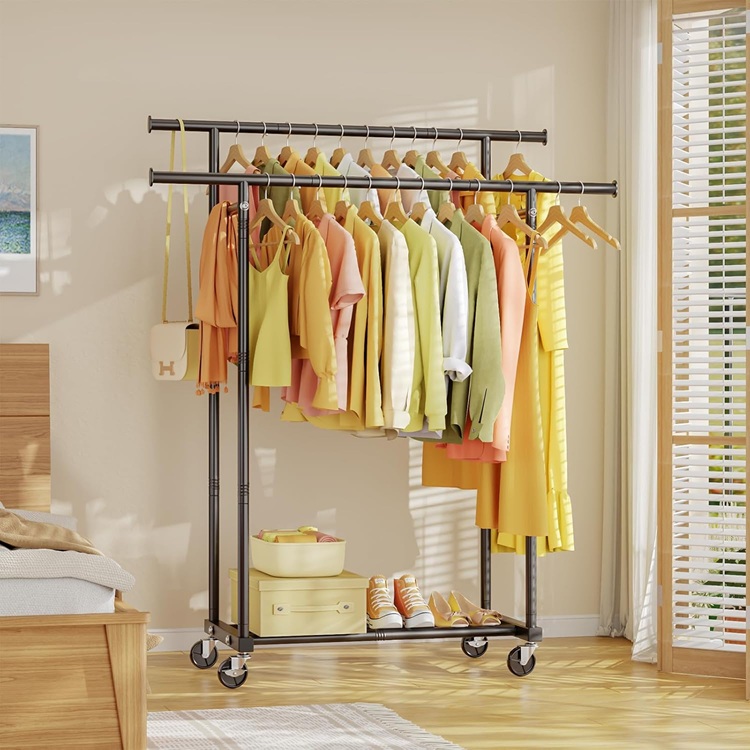
The material used in constructing a garment stand is crucial for its durability and appearance. Common materials include:
- Metal: Metal stands are sturdy and can support heavy garments. They often come in various finishes, such as chrome or powder-coated options, which can enhance the aesthetic appeal.
- Wood: Wooden stands provide a warm and inviting look, making them suitable for boutique settings. They can be more expensive than metal options but offer a unique charm.
- Plastic: Plastic stands are lightweight and often more affordable. However, they may not be as durable as metal or wood, making them better suited for temporary displays.
The design of the garment stand should align with the overall theme of the retail space. Consider the following design elements:
- Height: The height of the stand should be appropriate for the target audience. For children's clothing, a lower stand is ideal, while adult clothing may require a taller design.
- Width and Depth: Ensure that the stand is wide enough to accommodate multiple garments without overcrowding. The depth should also be sufficient to prevent items from falling off.
- Style: Choose a style that complements the branding of the store. For example, a modern boutique may benefit from sleek, minimalist designs, while a vintage shop may prefer rustic wooden stands.
When selecting or designing a garment stand, consider the weight capacity required. Ensure that the stand can support the weight of the clothing items you plan to display. This consideration is particularly important for heavier garments, such as coats or formal wear.
If you need to move the garment stand frequently, consider incorporating wheels or casters. Mobile stands allow for easy repositioning, making them ideal for dynamic retail environments where displays may need to be changed regularly.
Before you begin constructing a garment stand, define its purpose. Consider the types of clothing you will be displaying and the environment in which the stand will be used. This understanding will guide your design choices and material selection.
Once you have a clear purpose, gather the necessary materials. Depending on your design, you may need:
- Metal or wooden poles for the frame
- Shelves or rods for hanging garments
- Wheels or casters for mobility
- Connectors or brackets for assembly
- Paint or finish for aesthetics
Sketch a design for your garment stand, considering the dimensions, height, and configuration. Ensure that the design aligns with your purpose and the available space.
Begin by assembling the frame of the garment stand. If using metal poles, connect them using appropriate brackets or connectors. For wooden stands, use screws or dowels to secure the joints. Ensure that the frame is sturdy and stable.
Once the frame is complete, attach the shelves or rods for hanging garments. Ensure that they are securely fastened and positioned at the appropriate height for easy access.
If desired, paint or finish the garment stand to enhance its appearance. Allow the finish to dry completely before using the stand.
Before displaying clothing, test the stability of the garment stand. Gently shake it to ensure that it is secure and can support the weight of the items you plan to display.
To make the most of your garment stand, organize items by category. Group similar items together, such as dresses, shirts, and pants. This organization will make it easier for customers to find what they need and keep the display tidy.
Consider adding accessories to your garment stand, such as hooks for bags or baskets for smaller items. These additions can enhance the functionality of the stand and provide additional storage options.
If you are using the garment stand for a specific event or promotion, create a thematic display. Use colors, props, and signage that align with the theme to attract attention and engage customers.
To ensure the longevity of your garment stand, perform regular maintenance. Clean the stand periodically to remove dust and debris, and inspect for any signs of wear or damage. Address any issues promptly to maintain the integrity of your display.
If you are using the garment stand in a retail environment, involve your staff in the organization process. Allow them to help choose where items are stored and encourage them to maintain the organization. This involvement can foster a sense of ownership and responsibility for the display.
Choosing and assembling a garment stand for commercial display involves careful consideration of various factors, including material quality, design, weight capacity, and intended use. By understanding your storage needs and evaluating the features of different garment stand options, you can create a solution that maximizes space and enhances organization. With proper maintenance and thoughtful organization, garment stands can provide a durable and efficient display solution for your retail environment.
1. What materials are best for garment stands?
- High-quality metal or solid wood is ideal for durability and stability.
2. How much weight can a typical garment stand hold?
- Weight capacity varies by design, so it is essential to check the manufacturer's specifications for each stand.
3. Can garment stands be adjusted?
- Many garment stands feature adjustable heights for flexibility in storage.
4. Are garment stands easy to assemble?
- Yes, most garment stands are designed for quick and easy assembly, requiring minimal tools.
5. How do I maintain garment stands?
- Regularly inspect for damage and clean them to keep them looking their best.


