
Views: 220 Author: WAIGAOQIAO Publish Time: 2026-03-13 Origin: Site
Content Menu
● Preparing for the Assembly Process
● Essential Tools for a Professional Setup
● Step-by-Step Assembly Instructions
>> Building the Base Structure
>> Constructing the Vertical Standards
>> Installing the Horizontal Hanging Rails
>> Final Stabilization and Leveling
● Ensuring Structural Integrity and Safety
● Maintenance and Long-Term Care
For retail business owners, brand managers, and warehouse logistics teams, the presentation of apparel is a critical factor in driving sales and establishing a professional brand image. Industrial pipe clothing racks have become a standard in the retail industry due to their incredible durability, versatile modular design, and the distinct, modern aesthetic they provide to any commercial space. As an industry-leading OEM provider, WAIGAOQIAO specializes in crafting these high-quality systems, helping international brands and wholesalers transform their retail environments with robust, bespoke solutions.
However, once you have invested in a premium pipe rack system, the final step—assembly—is where the vision comes to life. Whether you are outfitting a boutique, a pop-up shop, or a permanent department store installation, understanding how to properly assemble industrial pipe clothing racks is essential for ensuring stability, safety, and longevity. This guide provides a detailed walkthrough of the assembly process, best practices for structural integrity, and tips for creating a display that stands the test of time.
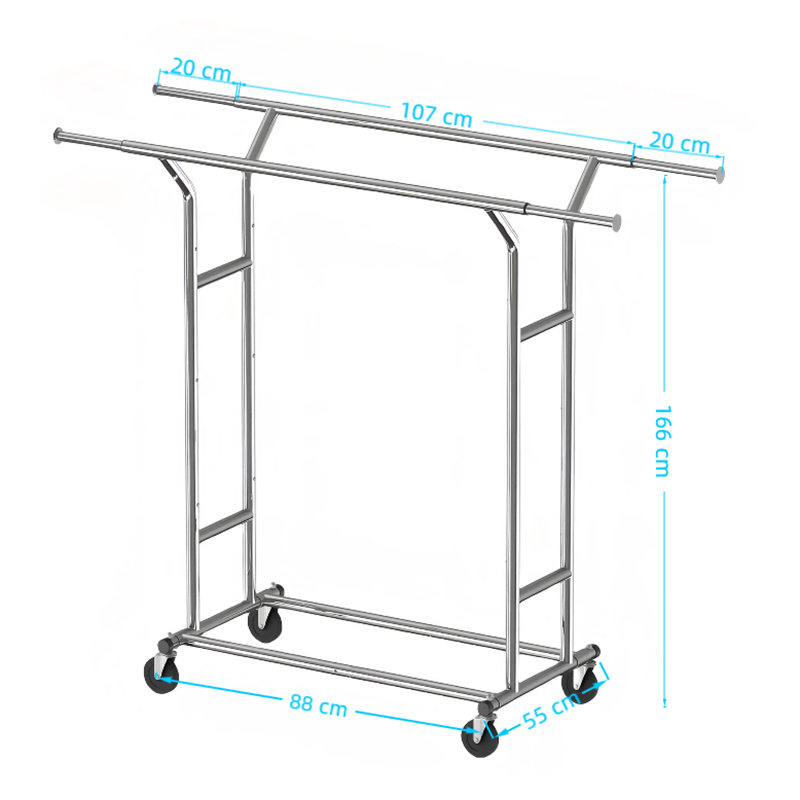
The success of any installation begins long before the first piece of pipe is threaded into a fitting. Proper preparation is the difference between a frustrating afternoon of troubleshooting and a smooth, professional installation.
First, identify your workspace. Retail assembly often takes place on the sales floor, which requires a clean, non-abrasive surface to protect the finish of your pipes and fittings. If your racks feature a specialized powder-coated finish or custom metallic plating, place them on drop cloths or carpet to prevent accidental scratching.
Second, organize your components. Industrial pipe systems consist of three main categories: pipes (typically pre-cut and threaded to specific lengths), fittings (the connectors such as flanges, tees, elbows, and crosses), and mounting hardware (screws, anchors, or casters). Grouping these parts by type makes the assembly process significantly faster and reduces the risk of using an incorrect component in a load-bearing position.
While many pipe rack systems are designed to be "user-friendly," having the right tools on hand will ensure that your rack is as secure as possible. You should prepare the following:
* A High-Quality Level: This is arguably the most important tool. A crooked rack not only looks unprofessional but can also create uneven weight distribution, which compromises the structural integrity of the display over time.
* Rubber Mallet: Used for gently tapping components into place or ensuring that fittings are seated correctly without damaging the finish.
* Wrench or Pipe Wrench: Depending on the design, you may need a tool to provide that final bit of torque to ensure the fittings are tight. Be sure to wrap the jaws of the wrench in a cloth or use a soft-touch tool to protect the pipe surface.
* Power Drill and Appropriate Fasteners: If you are mounting racks to the floor or the wall, you will need a drill with the correct bits for your wall material (drywall, masonry, or wood studs).
Once you are prepared, follow these logical steps to assemble your commercial pipe rack.
Most industrial pipe racks start from the bottom up. Begin by attaching the floor flanges to the base pipes. The floor flange is the foundation of your entire unit. If your rack is meant to be a permanent floor-standing fixture, ensure the flanges are spaced correctly to provide a wide, stable footprint. If the rack is going to hold heavy inventory, this base must be level. Tighten the pipes into the flanges firmly. If the system uses set-screw fittings rather than threaded ones, use your Allen key to tighten the screws down until they bite into the pipe, ensuring a rigid connection.
Next, assemble the vertical members of the rack. These are the "legs" that will support the horizontal bars. Ensure that each vertical pipe is plumb (perfectly vertical). If you are using multi-tiered racks, ensure that the T-fittings or cross-fittings are aligned perfectly horizontally across all vertical pipes. This alignment is what allows the hanging rails to slide in smoothly later.
With the vertical frame in place, begin installing the horizontal bars. This is the stage where the width of your rack is finalized. If you are working with an OEM system from WAIGAOQIAO, these bars are precisely cut to your specifications. Slide them into the appropriate fittings and ensure they are locked securely. Double-check that there is no "play" or wobbling. If the rack feels loose, re-examine the connection points. Often, a simple adjustment of the set screws or a tightening of the threaded pipe will solve the issue.
Before hanging any garments, perform a final inspection. Place your level on the top horizontal bar. If it is uneven, adjust the leveling feet (if your rack is equipped with them) or re-check the depth of your pipe threads. A properly leveled rack prevents clothing from sliding to one side, which is a common cause of uneven wear and tear on both the garment and the fixture.

In a commercial setting, safety is paramount. You must ensure that the rack is capable of handling the intended load. Overloading a pipe rack is a leading cause of fixture failure. If you are displaying heavy winter coats, ensure that your design incorporates additional vertical supports if the span between uprights is too wide.
If your racks are wall-mounted, you must anchor them into studs or use heavy-duty toggle bolts if mounting to drywall. Never rely solely on drywall anchors for commercial-grade weight. As an OEM manufacturer, WAIGAOQIAO always recommends that our clients consider the weight of their inventory during the design phase so that the pipe thickness and fitting grade are selected appropriately for the specific retail application.
Once assembled, the maintenance of your pipe rack is relatively simple. Periodically check all set screws or threaded connections. Over time, the vibrations from daily retail traffic or constant loading and unloading of hangers can cause minor loosening. A quick inspection once a month will prevent potential issues. Additionally, keep the finish clean. Use a damp cloth to wipe down the pipes, and avoid harsh chemical cleaners that might compromise a protective powder coat or plating.
Assembling industrial pipe clothing racks is a methodical process that rewards patience and precision. By preparing your workspace, using the correct tools, and meticulously ensuring that every fitting is secure and level, you create a display solution that is not only functional but also contributes to the professional atmosphere of your retail space. At WAIGAOQIAO, we are committed to providing our partners with the highest quality components, knowing that the structural integrity of your fixtures is a reflection of your brand's commitment to quality. Whether you are building a single display or outfitting an entire chain, the principles of proper assembly remain the foundation of your success.
1. Is it necessary to use a professional for the assembly of industrial pipe racks?
While pipe rack systems are designed to be modular and relatively simple to assemble, hiring professionals can be beneficial for large-scale retail installations or complex custom designs to ensure local safety codes are met and structural integrity is optimized.
2. How do I prevent my pipe rack from wobbling?
Wobbling is usually caused by uneven flooring or loose connection points. Use adjustable leveling feet on the base flanges to compensate for floor irregularities and double-check that all set screws or threaded connections are fully tightened.
3. Can I take apart and move my pipe racks after they are assembled?
Yes, one of the primary benefits of modular pipe systems is their reusability. You can disassemble, transport, and reassemble them at new locations. Just be careful to store all small components like set screws safely during transit.
4. What should I do if a threaded pipe is too difficult to tighten?
Ensure that the threads are clean and free of debris. If the resistance is high, apply a small amount of lubricant. If you are forcing the pipe and it is not turning, stop, as you may be cross-threading the fitting, which can permanently damage the component.
5. How much weight can a standard pipe rack hold?
Weight capacity depends on the pipe diameter, wall thickness, and the number of vertical supports. Generally, industrial-grade steel pipe racks can hold hundreds of pounds, but you must consult your specific manufacturer specifications to avoid exceeding the safety limits for your particular design.


