
Views: 220 Author: WAIGAOQIAO Publish Time: 2026-03-04 Origin: Site
Content Menu
● The Rise of Industrial Pipe Aesthetics in Retail
● Key Factors for Selecting Retail Pipe Racks
>> Load Capacity and Material Quality
>> Floor Space and Flow Optimization
>> Versatility and Modular Expansion
● Environmental Considerations: Finish and Maintenance
● Partnering with a Reliable OEM Supplier
● Safety and Regulatory Compliance in Retail Fixtures
● Conclusion: Crafting the Perfect Retail Display
In the competitive landscape of retail, the presentation of your merchandise is just as critical as the quality of the apparel itself. Visual merchandising serves as the silent salesperson, guiding customers through your store and influencing their purchasing decisions. Among the various display solutions available, industrial pipe clothing racks have carved out a significant niche. Offering a blend of rugged aesthetic appeal and utilitarian strength, these fixtures are a preferred choice for boutiques, streetwear brands, and high-end retail spaces. As an industry professional, selecting the right pipe clothing racks for your retail environment requires a deep understanding of aesthetics, durability, and operational functionality. This guide will navigate you through the essential considerations to ensure your choice aligns with your brand identity and storage needs.

The popularity of industrial pipe furniture is not merely a passing trend; it is a response to the growing demand for authentic, minimalist, and durable store interiors. Pipe clothing racks convey a sense of craftsmanship and permanence that resonates with modern consumers. Whether your store embraces a raw, urban industrial vibe or a curated, sophisticated minimalist look, pipe racks provide a versatile canvas for your merchandise.
Beyond their visual appeal, these racks offer an unparalleled level of modularity. Unlike traditional mass-produced wooden or plastic displays, pipe-based systems allow for custom configurations that can evolve with your floor plan. They are particularly effective for showcasing heavy denim, leather goods, or oversized outerwear, providing a sense of structural confidence that shoppers find visually appealing. By choosing industrial pipe racks, you are signaling to your customers that your store values quality, style, and a thoughtful shopping experience.
Choosing the right hardware for your retail space involves more than picking the most attractive design. You must evaluate how the fixtures will function within your specific operational workflow and customer traffic patterns.
Retail environments subject display fixtures to constant use and abuse. Customers frequently handle, pull, and reorganize garments, placing significant stress on the rack joints and horizontal bars. When selecting pipe clothing racks, the gauge of the steel and the quality of the threading at the joints are non-negotiable. Industrial-grade steel is the gold standard for durability. Ensure that the pipes are engineered to handle the intended volume of merchandise without sagging or bending. A sagging rack not only compromises the safety of your store but also cheapens the look of your display, potentially deterring customers from interacting with your clothing. Always prioritize systems that emphasize thick-walled construction and secure, robust flange connections.
Effective store planning is the backbone of successful retail operations. Your clothing racks should act as conduits for customer movement rather than obstacles. Consider the footprint of the rack versus the amount of linear display space it provides. Freestanding double-bar racks are excellent for maximizing density in larger stores, while wall-mounted pipe systems are ideal for smaller boutiques where floor space is at a premium.
Consider the "customer journey" when placing your racks. Can shoppers walk comfortably between rows? Is there enough space to pull a garment out and hold it up to a mirror? The goal is to strike a balance between inventory density and the comfort of the browsing experience. A well-placed pipe rack should highlight your best pieces while maintaining a natural flow that encourages customers to explore deeper into your store.
Retail trends shift quickly, and your store layout should be capable of adapting to these changes without requiring a complete overhaul of your fixtures. One of the greatest advantages of pipe racks is their modular nature. When selecting a system, look for designs that offer interchangeable parts. Can you add an extra tier for smaller items like shirts or hats? Can you switch from a floor-standing unit to a wall-mounted display if you decide to rearrange your store? Investing in a modular, system-based approach allows your display furniture to grow and pivot alongside your business, protecting your initial investment for the long term.
The finish of your pipe racks is more than a cosmetic choice; it defines the atmosphere of your store and impacts the maintenance requirements.
* Raw Steel: Offers an authentic, gritty aesthetic but requires clear coating to prevent rust.
* Powder Coating: Provides a durable, colorful, and scratch-resistant finish that is perfect for branding purposes.
* Galvanized Finish: Delivers a bright, metallic look that is highly resistant to moisture and wear, ideal for high-traffic entryways.
* Matte Black/Oil-Rubbed Bronze: These finishes offer a high-end, sophisticated appearance that minimizes the visibility of scratches and dust.
Regardless of the finish, consistency is key. A uniform appearance across your display fixtures fosters a professional and organized brand identity. Ensure that your supplier can provide consistent finishes across large orders, as variations in color or texture can create a disjointed look in your showroom.
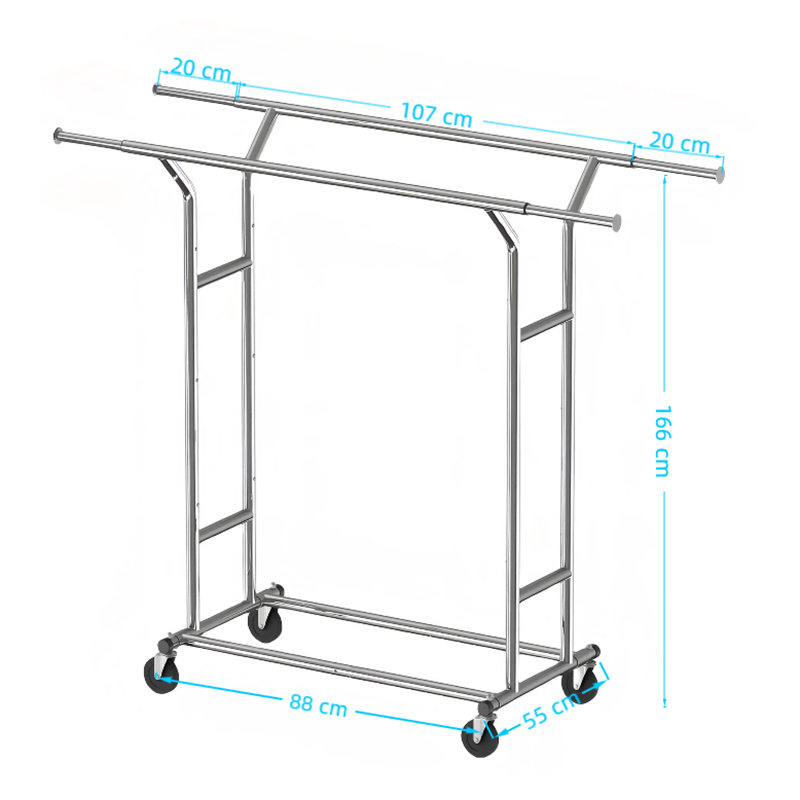
For retailers, wholesalers, and interior designers, the relationship with an OEM manufacturer like WAIGAOQIAO is the foundation of a successful store build-out. Relying on an experienced partner means you gain access to manufacturing precision, custom design capabilities, and, most importantly, consistency in quality control.
When vetting potential suppliers, move beyond simple price comparisons. Inquire about their manufacturing techniques. Are the pipe threads precisely machined to ensure a tight, wobble-free fit? Do they have the capability to create bespoke designs that reflect your specific retail brand? A strong OEM partner will provide technical drawings, offer material recommendations, and ensure that your bulk orders are finished and packaged to survive the rigors of international shipping. They act as an extension of your own business, ensuring that the hardware you install in your store reflects your commitment to quality and excellence.
Safety is a critical, often overlooked aspect of retail design. A poorly installed rack, even one made of high-quality materials, can pose a risk to customers and staff. Ensure that all freestanding racks are balanced and weighted appropriately to prevent tipping. If you are utilizing wall-mounted systems, ensure that they are anchored into structural studs or appropriate masonry, not just thin drywall.
Consider the ergonomics of your display. The height of the racks should be accessible to your average customer, and edges should be smooth to prevent snagging of delicate fabrics. Periodic inspections of your hardware are essential—check for loose joints, surface wear, and signs of overloading. By prioritizing safety, you create a more welcoming environment and protect your business from liability.
Selecting the right pipe clothing racks is a strategic investment in your retail brand. By focusing on structural integrity, spatial efficiency, and modular flexibility, you can create a store environment that not only displays your inventory effectively but also enhances the overall customer experience. Whether you are outfitting a flagship location or expanding your wholesale reach, the hardware you choose speaks volumes about your commitment to quality. By partnering with dedicated professionals who understand the nuances of the garment rack industry, you can ensure that your store remains a place where style, function, and durability seamlessly intersect.
***
1. Why is industrial pipe a popular choice for retail garment racks?
Industrial pipe is favored for its unique combination of aesthetic appeal and structural strength. It offers a rugged, authentic look that complements various retail styles while providing the heavy-duty stability required to hold significant amounts of clothing without the flex or instability often found in cheaper materials.
2. How do I decide between wall-mounted and freestanding racks?
The choice depends on your store layout and floor space. Wall-mounted racks are perfect for maximizing floor area in smaller boutiques, while freestanding racks allow for more flexible floor plans and can be easily moved or reconfigured to highlight changing seasonal collections.
3. Does the finish of the pipe affect its maintenance?
Yes, the finish significantly impacts maintenance. For example, raw steel requires regular wiping and potentially a clear coat to prevent rust. In contrast, powder-coated or epoxy finishes are designed to be scratch-resistant and easier to clean, making them ideal for high-traffic retail environments where the racks will be handled by many customers.
4. Can I customize pipe clothing racks to match my brand identity?
Absolutely. Many OEM suppliers provide customization options, including specific powder-coat colors, branded components, or custom heights and widths to fit unique spaces. Working with a manufacturer that offers professional OEM services allows you to tailor every detail of your display to perfectly align with your brand's aesthetic.
5. How can I ensure the safety of my retail display racks?
Always ensure that freestanding units are weighted properly to prevent tipping and that all connections are securely tightened during assembly. For wall-mounted systems, ensure they are anchored into structural supports. Regularly inspect your racks for any loose joints, bent pipes, or signs of wear to maintain a safe shopping environment.


