
Views: 220 Author: WAIGAOQIAO Publish Time: 2026-02-26 Origin: Site
Content Menu
● The Importance of Proactive Maintenance
● Understanding Material-Specific Care Instructions
>> Polishing Industrial Chrome Racks
>> Preserving Powder-Coated Finishes
>> Maintaining Stainless Steel Racks
● The Critical Role of Caster Maintenance
>> Removing Debris and Entangled Materials
>> Lubrication and Bearing Care
● Structural Integrity and Hardware Inspections
>> Tightening Bolts and Fasteners
>> Checking Weld Points and Stress Fractures
● Load Distribution and Weight Management Strategies
● Environmental Factors Affecting Rack Health
>> Managing Humidity and Salinity
>> The Impact of Flooring Surfaces
● Deep Cleaning and Refurbishment Techniques
● Organizing for Minimal Wear and Tear
● Long-term Storage and Seasonal Rotation
● WAIGAOQIAO: Engineering Durability into Every Rack
● Related Frequently Asked Questions (FAQ)
In the global fashion and logistics industry, the garment rack is an indispensable tool that bridges the gap between production and the final consumer. For retailers, wholesalers, and warehouse managers, a clothing rack is more than just a piece of hardware; it is a critical asset that ensures garments remain organized, wrinkle-free, and ready for display or shipping. At WAIGAOQIAO, as a leading Chinese OEM manufacturer of high-quality garment racks, we understand that durability begins with precision engineering but continues through consistent maintenance. Whether you are managing a high-end boutique or a massive distribution center, understanding how to care for your racks is essential to protecting your inventory and your investment. This guide provides a comprehensive analysis of maintenance strategies for various types of garment racks, from industrial Z-racks to elegant chrome rolling units.

Maintenance is often overlooked until a failure occurs—a wheel locks up, a crossbar sags, or rust begins to compromise the professional appearance of a showroom. Proactive maintenance is a cost-saving strategy. For brand owners and wholesalers, replacing a fleet of damaged racks is a significant capital expenditure that can be avoided with simple, routine care.
A well-maintained rack not only lasts longer but also enhances the safety of the workspace. A collapsed rack in a busy retail environment is a liability, potentially damaging expensive inventory or causing injury to staff and customers. Furthermore, in the retail sector, the aesthetic condition of the rack reflects the brand's quality. A scratched, dusty, or squeaky rack detracts from the perceived value of the clothing it holds. By following a structured maintenance plan, you ensure that your WAIGAOQIAO-engineered racks continue to perform at their peak for decades.
Garment racks are manufactured using different finishes and metals, each requiring a specific approach to cleaning and preservation. Using the wrong cleaning agent can strip protective coatings and accelerate deterioration.
Chrome is the most popular finish for retail and industrial racks due to its brilliant shine and inherent hardness. However, chrome can lose its luster and develop "pitting"—small spots of corrosion—if exposed to moisture or skin oils over long periods.
For routine cleaning, use a soft microfiber cloth. If the rack has lost its shine, a mixture of mild dish soap and warm water is usually sufficient. For deeper cleaning, specialized chrome polishes can be used, but it is vital to ensure they are non-abrasive. After cleaning, always dry the metal completely. Water spots left on chrome can eventually lead to mineral buildup. In high-humidity environments, applying a thin layer of car wax or specialized metal sealer can provide an extra barrier against oxidation, keeping the chrome looking brand new for years.
Powder-coated racks, often found in black, white, or custom brand colors, offer a different aesthetic and a high level of scratch resistance. Unlike chrome, which is a metal plating, powder coating is a dry powder that is electrostatically applied and cured under heat.
The primary enemy of powder coating is chipping. Once the coating is chipped, the underlying steel is exposed to the air and can begin to rust. When cleaning powder-coated surfaces, avoid harsh chemicals like bleach or ammonia, as these can dull the finish. Use a soft sponge and a pH-neutral cleaner. If a chip does occur, it should be touched up immediately with a matching enamel paint to seal the metal. Regularly inspecting the points where hangers meet the bar is crucial, as constant friction can wear down the coating over time.
Stainless steel is the premium choice for environments requiring maximum hygiene or resistance to heavy moisture. While highly resistant to rust, stainless steel is not completely immune. It can develop "tea staining" if not cleaned regularly.
The most important rule for stainless steel is to wipe in the direction of the "grain" or the brushed finish. This prevents micro-scratches from becoming visible. Use dedicated stainless steel cleaners that help replenish the protective chromium oxide layer on the metal's surface. Avoid using steel wool or carbon steel brushes, as they can leave behind particles that will rust on top of the stainless steel.
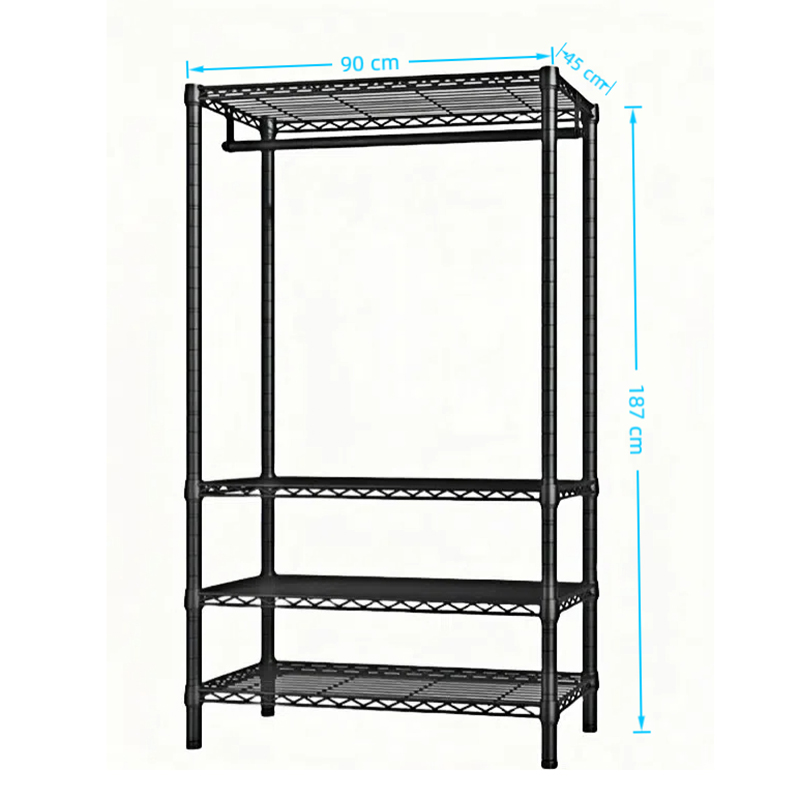
For rolling garment racks, the casters (wheels) are the most hardworking components. They bear the full weight of the load and endure constant friction against various floor surfaces. A "stuck" wheel is the most common reason for rack retirement, but most caster issues are easily preventable.
In apparel environments, the number one enemy of casters is "hair and thread wrap." Stray threads from garments, hair, and dust bunnies get sucked into the wheel axles as they roll. Over time, this material tightens, creating immense friction that prevents the wheel from spinning.
Regularly inspect the wheels and use a pair of needle-nose pliers or a small utility knife to carefully cut away any entangled threads. This should be done monthly in retail settings and weekly in high-volume warehouses. Once the debris is removed, the wheel should spin freely. If the wheel remains stiff, the bearings may be clogged with fine dust.
Most industrial casters feature ball bearings that require lubrication to operate smoothly. Using a dry-film lubricant (such as Teflon or silicone spray) is preferable to heavy oils or grease. Heavy grease tends to attract more dust and lint, which can exacerbate the clogging problem.
Apply a small amount of lubricant directly into the swivel joint and the wheel axle. Spin the wheel several times to distribute the lubricant. This simple act reduces wear on the metal components and makes the rack much easier for staff to maneuver, reducing the physical strain of moving heavy loads.
Even the most robustly welded rack can experience structural fatigue or hardware loosening due to the vibrations of transport and the stress of heavy loading.
Many garment racks are designed as "knock-down" units for efficient shipping. These units rely on bolts, screws, and hex nuts to stay together. Over months of use, these fasteners can vibrate loose. A loose bolt causes the rack to wobble, which puts uneven stress on the joints and can lead to the metal bending or snapping.
Establish a quarterly "tightening tour." Use the appropriate wrench or Allen key to check every connection point. If you find that certain bolts consistently loosen, consider using a thread-locking fluid (like Loctite) to secure them permanently. This is especially important for racks used in "mobile" applications, such as pop-up shops or trade shows, where they are frequently moved over uneven surfaces.
For fully welded racks, such as industrial Z-racks, the joints are the strongest part of the unit. However, if a rack is consistently overloaded beyond its rated capacity, stress fractures can develop near the welds. During your routine cleaning, take a moment to inspect the joints. Look for any hairline cracks in the paint or finish. If a fracture is detected, the rack should be taken out of service immediately for repair or replacement to avoid a catastrophic collapse.
The way a clothing rack is loaded significantly impacts its lifespan. At WAIGAOQIAO, we design our racks with high weight capacities, but the physics of load distribution remains the responsibility of the user.
A garment rack is most stable when the weight is centered and kept low. When loading a rack, start from the center and work your way toward the ends. If you load only one side of a long rack, you create a lever effect that puts immense pressure on the opposite casters and can cause the rack to tip.
Furthermore, if you are using a double-rail rack, ensure both rails are loaded relatively evenly. If one rail is packed with heavy winter coats and the other is empty, the center of gravity shifts dangerously, making the rack difficult to steer and prone to falling over if it hits a bump in the floor.
Every metal bar has a "deflection point"—the amount it can bend before the deformation becomes permanent. While industrial steel is resilient, hanging several hundred pounds of heavy leather jackets or wet garments on a single rail for months on end can cause a permanent "smile" or sag in the bar.
To prevent this, rotate your stock. If you have particularly heavy items, try to distribute them across multiple racks rather than concentrating them on one. For wholesalers, using "center support poles" on long spans (over 6 feet) can effectively double the weight capacity and prevent any visible sagging.
The environment in which a rack is stored and used plays a major role in its rate of deterioration. As an OEM manufacturer, we provide products globally, and we see how different climates affect metal longevity.
In coastal regions or high-humidity warehouses, oxidation (rust) happens much faster. If your facility is not climate-controlled, you must be more vigilant with protective coatings. In these environments, we recommend stainless steel or specialized epoxy-coated racks. If you are using chrome or standard steel, ensure the racks are wiped down with a dry cloth at the end of every day to remove any condensation that may have settled on the metal.
The floor itself affects the rack. Rolling a rack over thick carpet puts significantly more stress on the casters and joints than rolling it over smooth polished concrete. If your retail space is carpeted, you may need to upgrade to larger-diameter wheels (5 inches or more) to reduce the rolling resistance. In warehouses with expansion joints or uneven flooring, "pneumatic" or soft-rubber casters can help absorb the shock, protecting the rack's frame from jarring vibrations.
Once a year, it is beneficial to perform a deep clean and "refurbishment" of your rack fleet. This involves more than just a quick wipe-down.
1. Full Unloading: Remove all garments and hangers. This allows you to see the entire structure clearly.
2. Disassembly (if applicable): For knock-down racks, partially disassemble the unit to clean the areas where metal meets metal. These hidden spots often collect the most dust and moisture.
3. Sanitization: In the post-pandemic era, sanitizing high-touch surfaces like garment rails is a standard practice. Use a non-corrosive disinfectant to wipe down the bars.
4. Caster Deep-Clean: Remove the wheels entirely if possible, soak them in a degreaser to remove old, dirty lubricant, and re-apply fresh lubricant.
5. Aesthetic Touch-ups: Use a metal polish on chrome or touch-up paint on powder-coated units to address any minor scuffs.
The way hangers are used can also affect the rack's maintenance. Metal hangers on a metal bar create "metal-on-metal" friction. Over time, this can grind down the finish. Using plastic-coated hangers or ensuring the hangers have a smooth hook can significantly reduce the "scratching" noise and the wear on the top of the rail. Additionally, teaching staff not to "slam" hangers onto the rail will preserve the finish and the structural integrity of the bar.
Many retailers use extra racks during peak seasons (like the holidays) and store them during slower months. How you store these racks determines if they will be usable next year.
- Nesting Racks: If you use Z-racks, they are designed to nest together to save space. Ensure they are nested gently to avoid chipping the paint on the bases.
- Climate Control: Never store metal racks in a damp basement or an outdoor shed without protection.
- Covering: Use a simple plastic or fabric cover to prevent dust from settling into the caster bearings and on the hanging rails while in storage.
- Vertical Storage: If you must disassemble racks for storage, keep all the hardware (bolts/nuts) in a sealed bag taped directly to one of the poles so they are not lost.
Maintenance is much easier when the starting product is built to last. At WAIGAOQIAO, our OEM manufacturing process focuses on three pillars that reduce the maintenance burden for our clients:
- Superior Welding: We use robotic welding technology to ensure deep penetration and consistent beads, minimizing the risk of stress fractures at the joints.
- High-Grade Steel: We source cold-rolled steel with consistent thickness, ensuring that our weight capacity ratings are conservative and reliable.
- Multi-Stage Finishing: Our chrome plating and powder coating processes include a thorough cleaning and "pickling" stage, which ensures the finish adheres perfectly to the metal, preventing premature peeling or rusting.
By partnering with an expert manufacturer, brand owners and wholesalers can provide their customers with a product that requires less effort to maintain while providing a longer service life.
A clothing rack is a silent partner in the success of the garment industry. While it may seem like a simple piece of equipment, the complex demands of modern retail and logistics require a disciplined approach to maintenance. By understanding the specific needs of different materials, prioritizing caster health, and ensuring structural integrity through regular inspections, you can extend the life of your racks by years, if not decades.
At WAIGAOQIAO, we are proud to provide the global market with garment racks that serve as the foundation for beautiful displays and efficient warehouses. Remember that maintenance is an investment, not an expense. A clean, smooth-rolling, and sturdy rack is the best way to showcase the quality of the garments it carries. By implementing the strategies outlined in this guide, you ensure that your facility remains safe, professional, and highly productive.
***
Q1: How often should I realistically clean my retail garment racks?
A1: In a high-traffic retail environment, a quick dust-down should be performed daily as part of the opening or closing routine. A more thorough cleaning with soap and water should be done monthly, while a full structural and caster inspection should happen every quarter.
Q2: My rack has developed a small amount of surface rust. Is it ruined?
A2: Not necessarily. If the rust is just on the surface (orange spotting), you can often remove it using a crumpled piece of aluminum foil dipped in water (for chrome) or a fine-grade Scotch-Brite pad (for stainless steel). Once removed, immediately apply a protective wax or clear coat to prevent it from returning. If the rust has "eaten" into the metal, the part should be replaced.
Q3: Can I use WD-40 to lubricate the wheels on my garment rack?
A3: While WD-40 can help loosen a stuck wheel, it is not a long-term lubricant. It is a solvent that evaporates quickly and can actually strip away existing grease. It is better to use a dedicated silicone spray or a dry-film lubricant that won't attract dust and lint.
Q4: What is the best way to prevent my racks from wobbling on an uneven floor?
A4: If the rack is stationary, check if it has adjustable leveling feet. If it is a rolling rack, ensure all casters are the same size and are fully seated in the sockets. If the floor is permanently uneven, consider using larger, softer rubber wheels that can "absorb" the floor's irregularities better than hard plastic wheels.
Q5: How can I tell if I am overloading my garment rack?
A5: The first sign of overloading is difficulty in movement; if the rack is hard to push, the casters are struggling. The second sign is "bowing" of the top rail. If you place a straight edge against the rail and see a gap in the middle, you have exceeded the weight limit. Always refer to the manufacturer's UDL (Uniformly Distributed Load) rating provided by WAIGAOQIAO.


