
Views: 220 Author: WAIGAOQIAO Publish Time: 2026-03-06 Origin: Site
Content Menu
● The Strategic Value of Industrial Garment Stands
>> Strength and Durability for High-Traffic Environments
>> The Aesthetic Appeal of Industrial Chic
>> Modular Versatility for Dynamic Retail Spaces
● Critical Considerations for Material and Finish
>> High-Quality Steel and Welding Techniques
>> Choosing the Right Finish: Powder Coating vs. Electroplating
● Evaluating Load Capacity and Structural Design
>> The Importance of Base Stability
● Tailoring Solutions through OEM Partnerships
>> Custom Dimensions for Unique Retail Layouts
>> Branding Through Design and Color
● Installation, Safety, and Long-Term Maintenance
>> Assembly and Structural Integrity
>> Routine Maintenance Schedules
● Enhancing the Customer Experience
>> Accessibility and Organization
● Conclusion: The Foundation of Retail Success
In the modern retail landscape, the physical environment where products are displayed is just as important as the quality of the apparel itself. For retail brands, boutiques, and high-volume wholesale distributors, the choice of fixture is not merely about storage; it is about brand storytelling, customer flow, and operational durability. Industrial garment stands, with their robust construction and versatile design, have become the preferred choice for retailers looking to create a functional, stylish, and long-lasting display environment. As a professional OEM manufacturer, WAIGAOQIAO understands the nuances of these systems. This guide provides a comprehensive overview of how to select the right industrial garment stands to elevate your commercial display.
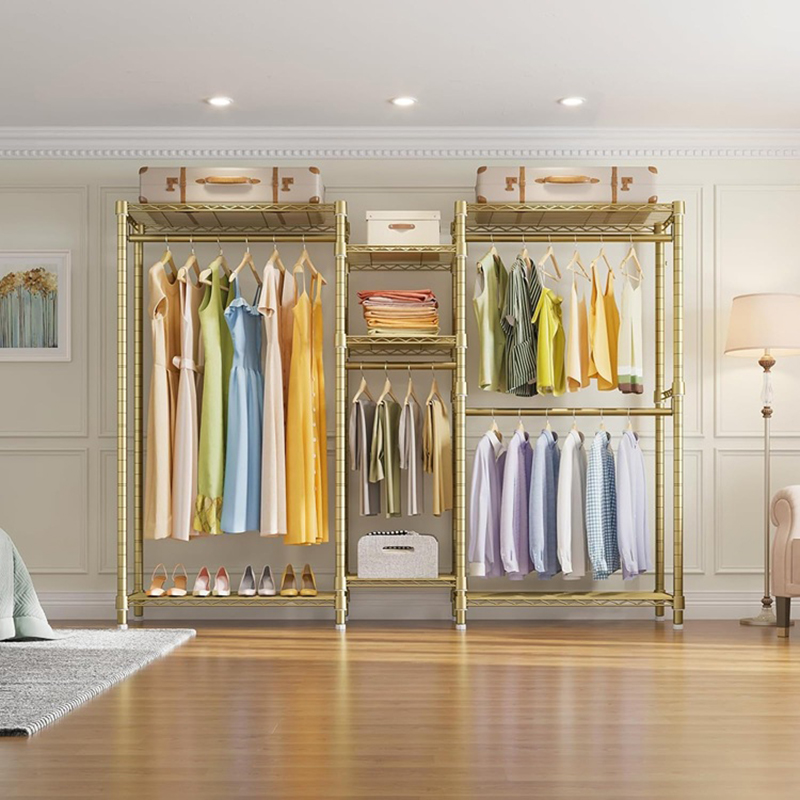
Why are industrial garment stands the industry standard for retail? The answer is found in the intersection of durability, aesthetics, and adaptability. Unlike lightweight, consumer-grade racks, industrial stands are engineered to withstand the rigorous demands of a retail environment, where products are handled thousands of times, moved frequently, and required to hold significant weight without failing.
Retail environments are unforgiving. Displays are subject to constant interaction, bumping, and the natural wear that occurs when hundreds of customers browse through clothing every day. Industrial stands, typically constructed from reinforced steel or iron piping, are designed to handle these stresses. Their structural integrity ensures they do not wobble, bend, or collapse under the weight of heavy winter coats, denim, or seasonal inventory. Investing in industrial-grade hardware is a proactive measure against the hidden costs of frequent equipment replacement and maintenance.
The "industrial" aesthetic has evolved beyond simple utility. It now represents a clean, sophisticated, and minimalist look that allows the apparel to take center stage. The raw, exposed metal look fits seamlessly into a variety of store styles, from high-end urban boutiques to mass-market discount stores. It conveys a message of authenticity and quality, signaling to customers that your brand prioritizes substance and design.
Retail trends shift quickly. Successful stores rearrange their floor plans regularly to keep the shopping experience fresh. Industrial garment stands excel here because of their modularity. Many systems are designed to be reconfigured easily, allowing you to add, remove, or adjust hanging bars as your inventory changes. This adaptability maximizes your ROI, as the same hardware can serve different purposes throughout the fiscal year.
The longevity of your garment stands is directly tied to the materials used in their construction and the quality of their surface finishes. Understanding these technical aspects is crucial for any procurement decision.
The backbone of any industrial stand is the steel. Look for manufacturers that utilize cold-rolled steel, which offers superior strength compared to lighter alloys. Additionally, examine the welding points. Professional-grade stands feature clean, secure welds that are ground smooth. Poorly executed welds are not only an eyesore but also a weak point where the fixture is most likely to fail under heavy stress.
The finish is what prevents oxidation and rust, especially in environments where humidity or cleaning chemicals are present.
* Powder Coating: This is a dry finishing process where a protective, colored powder is applied and then baked onto the metal. It creates a thick, durable, and highly scratch-resistant barrier. It is ideal for retailers who want specific colors to match their brand identity.
* Electroplating (Chrome or Nickel): This process deposits a thin layer of metal onto the rack, creating a brilliant, high-sheen, and mirror-like finish. While visually stunning, it requires careful handling. It is best suited for dry, climate-controlled retail spaces where a sleek, premium look is desired.

Regardless of the aesthetic finish, ensure that the internal structure and any hidden connection points have been treated for corrosion resistance. A high-quality stand should be able to withstand years of use without showing signs of rust or degradation, particularly at the connection joints where moisture can collect.
A stand that cannot handle the weight of your inventory is a liability. It is essential to match the rack's load-bearing capacity to the specific type of apparel you intend to display.
Before making a purchase, identify the heaviest items you plan to display. A rack meant for silk scarves requires significantly less structural reinforcement than one designed for leather jackets or bulk denim. Always look for documentation on the rack's total weight capacity. Professional manufacturers conduct rigorous loading tests to ensure that the frame can remain stable even when fully loaded.
The base determines the rack's center of gravity. For tall, heavy-duty displays, a wide-stance base or a reinforced H-frame design is essential. This design ensures that the stand remains stable even when garments are unevenly distributed along the hanging bar. If you are opting for mobile racks, ensure the base is paired with industrial-grade, lockable casters that are specifically designed for the weight of the loaded rack.
Standard, off-the-shelf displays may not always fit the unique constraints of your store layout or the specific branding requirements of your retail chain. This is where partnering with an experienced OEM manufacturer like WAIGAOQIAO provides a significant competitive advantage.
Every retail space is different. You may have structural columns, awkward corners, or specific height requirements that standard catalog racks cannot satisfy. By working with an OEM partner, you can specify exact dimensions, heights, and widths to ensure that every square inch of your floor space is utilized efficiently. This level of customization ensures that your store layout is cohesive, professional, and optimized for customer traffic flow.
Your display fixtures should reflect your brand's personality. An OEM partner can help you incorporate branded design elements, custom colors, or specialized materials into your garment stands. Whether it's a specific matte black finish for a modern look or a unique logo-integrated design for your hanging bars, custom manufacturing elevates your store from a generic retail space to a curated brand environment.
Proper setup and ongoing care ensure that your industrial garment stands remain an asset rather than an inconvenience.
When installing industrial stands, ensure that all connections are tightened correctly. If the rack features adjustable bars, check that the locking mechanisms are fully engaged. For permanent, large-scale displays, consider wall-anchoring solutions to provide additional safety, especially in high-traffic areas where accidental collisions are possible.
While industrial garment stands are designed for longevity, they are not maintenance-free. Establish a monthly routine to inspect for loose bolts, check the condition of the casters, and look for any chips in the powder coat or plating. Promptly addressing minor wear and tear prevents larger, more costly issues down the line. A clean, well-maintained display sends a strong message to your customers about your commitment to quality.
Ultimately, the purpose of your garment stands is to facilitate the sale. An industrial stand should be invisible in its utility but visible in its professionalism.
Arrange your industrial stands to encourage customers to walk through your entire store. Use double-tier racks for volume displays and single-tier racks for featured, high-value items. Ensure that there is adequate space between stands for customers to navigate, touch the fabric, and comfortably view the merchandise.
Industrial garment stands should be organized to make the shopping process intuitive. Use accessories like shelf dividers, sign holders, and hang-tag displays to communicate information about prices, sizing, and special offers. When customers can easily find what they need and understand the value proposition, sales conversion rates naturally increase.
Selecting the right industrial garment stands is a strategic decision that shapes the efficiency, aesthetic, and durability of your retail operation. By prioritizing high-grade materials, selecting the correct finish, and utilizing modular designs, you create a robust display foundation that supports your inventory and enhances your brand's reputation. Partnering with a dedicated, professional OEM manufacturer ensures that you receive hardware built to the highest standards, designed specifically to meet your unique retail challenges. Investing in quality industrial garment stands is not just about organizing clothing; it is about building a successful, sustainable, and professional retail environment.
***
1. What is the defining difference between "industrial" and "consumer-grade" garment stands?
The main difference is structural reinforcement. Industrial garment stands are engineered from thicker, higher-grade steel and feature reinforced weld points designed to support significantly more weight without deformation. They are also finished with more durable coatings to withstand the heavy wear and tear of a commercial retail environment, unlike consumer-grade racks which are often designed for light home use.
2. How do I determine which finish is best for my retail store?
The choice depends on your environment and your aesthetic goals. Powder coating is ideal for retailers who want durability, scratch resistance, and custom color options. Electroplated finishes (such as chrome) offer a premium, highly reflective, and high-end look that works best in climate-controlled boutiques. Always consider the level of humidity and cleaning intensity in your store when selecting a finish.
3. Are mobile garment stands as sturdy as fixed-base units?
Yes, they can be, provided they are designed as heavy-duty units. The key is the quality of the casters. Industrial-grade, locking casters are engineered to handle the load of a fully stocked rack while allowing for easy movement. If you choose a mobile stand, ensure that the base is properly balanced and that the locking mechanism is robust enough to keep the stand stable when it is not being moved.
4. Why should I choose an OEM manufacturer for my retail fixtures?
OEM manufacturers provide flexibility that standard suppliers cannot. You can specify exact dimensions to fit your floor plan, choose specific metallic or colored finishes that match your brand identity, and even request structural modifications to meet unique weight or height requirements. This customization leads to a more efficient use of floor space and a more cohesive brand aesthetic.
5. How can I extend the lifespan of my industrial garment stands?
Regular maintenance is vital. Establish a monthly checklist to inspect all connection points, tighten any loose bolts, and ensure that casters or leveling feet are functioning correctly. Immediately touch up any scratches or chips in the finish to prevent corrosion. Treating your displays as a long-term infrastructure investment is the most effective way to ensure they continue to support your business for years.


