
Views: 220 Author: WAIGAOQIAO Publish Time: 2026-03-31 Origin: Site
Content Menu
● The Philosophy of Open Storage
● Step 1: The Foundation of Success
● Step 2: Curation and Color Coordination
● Step 3: Mastering the Art of Hangers
● Step 4: Adding Layers and Accessories
>> Incorporating Vertical Space
>> Stylized Hooks and Textiles
● Professional Tips for Maintaining the Look
● The Role of Customization in Home Design
In the modern home, storage is often viewed as a purely utilitarian necessity—something to be hidden behind closed doors. However, the rise of open-concept living and the "slow fashion" movement has changed the narrative. A clothing rack is no longer just a temporary solution for laundry; it is a design centerpiece that showcases your personal style and brings a sense of boutique organization to your living space. As a company dedicated to the garment rack industry, WAIGAOQIAO understands that a well-styled rack can transform a cluttered room into a curated display. This guide will walk you through the art of styling a clothing rack for your home, ensuring your wardrobe looks as polished as it feels.
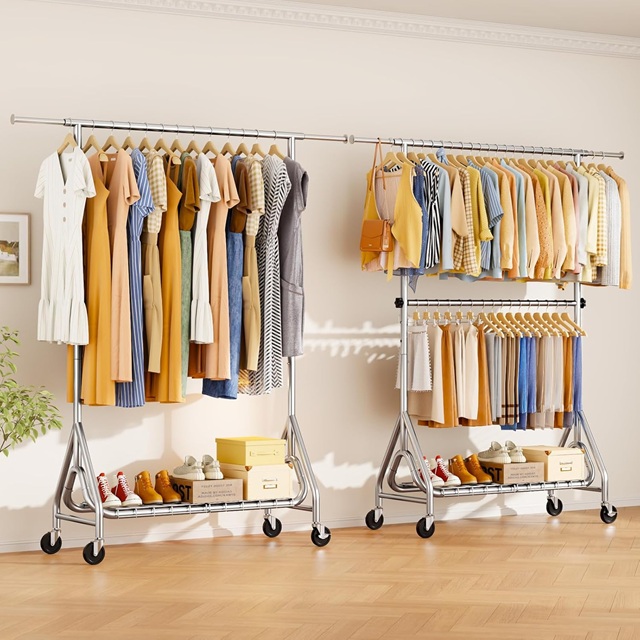
Before you begin rearranging your hangers, it is important to embrace the philosophy of open storage. When your clothes are on display, they become a permanent part of your room's decor. This requires a shift in mindset: your wardrobe is no longer a collection of items stored away, but a rotating gallery of your personal aesthetic.
The primary goal of styling an open clothing rack is to strike a balance between visual appeal and practical accessibility. You want a setup that makes getting dressed in the morning an inspiring experience, while also ensuring that the rack doesn't look like an unmanaged pile of fabric. By focusing on color, texture, and spacing, you can elevate even the most basic garments into a stylish display.
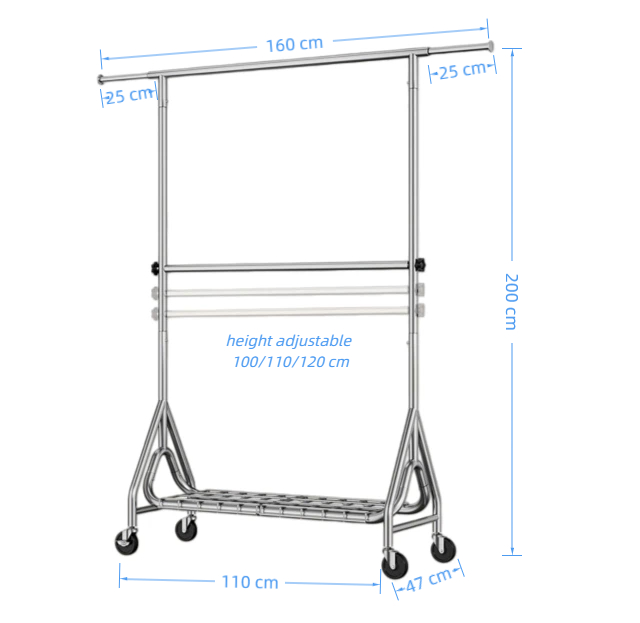
The quality and design of the rack itself are the most critical factors. At WAIGAOQIAO, we specialize in providing OEM solutions that prioritize structural integrity and aesthetic versatility. A high-quality rack, whether it is a minimalist industrial pipe design or a sleek, powder-coated steel structure, provides a strong foundation.
Ensure your rack is clean and well-assembled. A wobbly or poorly constructed rack will distract from the clothing, no matter how beautifully you arrange the items. Once the rack is secure, consider its placement. A rack placed near a window or in a dedicated corner of your bedroom can act as an anchor for the room's overall theme.
The most effective way to make a clothing rack look intentional is through color coordination. A rainbow-ordered rack is not just a trend—it is a functional way to keep your space visually harmonious.
Start by sorting your garments by category, and then by color. Grouping your clothing from light to dark or in a tonal gradient reduces visual noise. This technique allows the eye to travel smoothly across the rack, creating a sense of order. If your wardrobe consists mostly of neutrals, play with texture instead. Hang a chunky knit sweater next to a silk blouse and a leather jacket. The variation in materials adds depth and prevents the rack from looking flat.
One of the most common mistakes is overcrowding the rack. A packed rack feels chaotic and defeats the purpose of an "open" display. Aim for a curated selection. If you have a large wardrobe, treat your clothing rack as a "seasonal rotation" station. Only hang the items you are currently wearing or planning to wear in the next few weeks. This makes your daily routine more efficient and keeps the rack looking light and airy.
If you take only one piece of advice from this guide, let it be this: invest in uniform hangers. Nothing ruins the look of a styled clothing rack faster than a mix of mismatched plastic, wire, and wooden hangers.
Wooden hangers provide a premium, boutique feel that anchors a space. Slim velvet hangers, on the other hand, are perfect for maximizing space and ensuring your clothes stay put. Choose a single style and color of hanger for the entire rack. This simple change creates an immediate, professional appearance that makes even inexpensive clothing look high-end.
A clothing rack should not be limited to just clothes. Integrating accessories creates a more dynamic and personalized space.
If your rack has a bottom shelf, use it to store shoes in a coordinated manner. A row of clean, seasonal footwear adds character to the display. If the rack is taller, you can use the top surface for hats, small bags, or decorative baskets for scarves and belts. The key is to avoid "clutter traps." Every item on the rack should have a purpose and a place.
Don't be afraid to hang a decorative scarf, a structured handbag, or a piece of jewelry on the end of the rack. These small additions break up the repetitive nature of hangers and show that the rack is an extension of your home's personality. If you have the space, placing a small stool or an ottoman next to the rack creates a "dressing station" that invites you to interact with your clothes.
Once you have styled your rack, the challenge is keeping it that way. Maintenance is key to ensuring your hard work lasts.
- The One-In, One-Out Rule: To prevent the rack from becoming overwhelmed, introduce a new item only when you remove an old one for storage or donation.
- Steam Regularly: Since your clothes are on display, wrinkles are more visible. Keep a handheld steamer nearby to quickly smooth out your garments, keeping them looking crisp and ready to wear.
- Dusting: Open racks are prone to dust. Make it a part of your weekly cleaning routine to dust the rail and the shoulders of your garments.
At WAIGAOQIAO, we recognize that every home and every wardrobe is unique. Our OEM services allow for a high degree of customization, catering to specific dimensions, finishes, and functional needs. When you design your space, you should feel empowered to choose a rack that aligns with your lifestyle. Whether you need a low-profile rack for a studio apartment or a heavy-duty, multi-level system for a large walk-in closet, the right hardware is the key to maintaining your style.
Styling a clothing rack is an ongoing project. As your taste evolves and seasons change, your rack should adapt. It is a living, breathing part of your home that tells the story of your personal style. By following these principles of curation, coordination, and maintenance, you can transform a simple storage item into a functional piece of art that elevates your daily life.
1. How do I choose the right size clothing rack for my room?
Measure the area where you intend to place the rack first. Ensure there is enough clearance on all sides so the rack doesn't feel cramped. For small spaces, opt for a wall-mounted rack or a slim, floor-to-ceiling tension rod system.
2. What type of hangers works best for a cohesive look?
Uniformity is more important than the specific material. Wooden hangers provide a luxury, heavy-duty feel. Velvet hangers are excellent for space-saving and preventing clothes from slipping. Choose one color (e.g., all black or all natural wood) and stick to it.
3. How can I hide the "clutter" on a clothing rack?
If you feel the rack looks messy, try grouping items by color and using a "neutral" color palette for the clothing displayed. Additionally, place small bins or baskets on the bottom shelf to organize loose items like socks, scarves, or clutches, keeping the visual area clear.
4. Is it okay to hang heavy items like winter coats on a home clothing rack?
Yes, but only if the rack is designed for it. Always check the weight capacity of the rack you are using. If you have many heavy coats, look for racks with reinforced joints and high-grade steel piping, which are designed to support significant weight without bending.
5. How often should I refresh the clothing displayed on my rack?
Ideally, you should rotate your display seasonally. This not only helps you organize your wardrobe more effectively but also gives your room a refreshed look every few months, keeping the decor feeling current and intention.


